
The Role of Site Access and Equipment Selection in House Footer Excavation
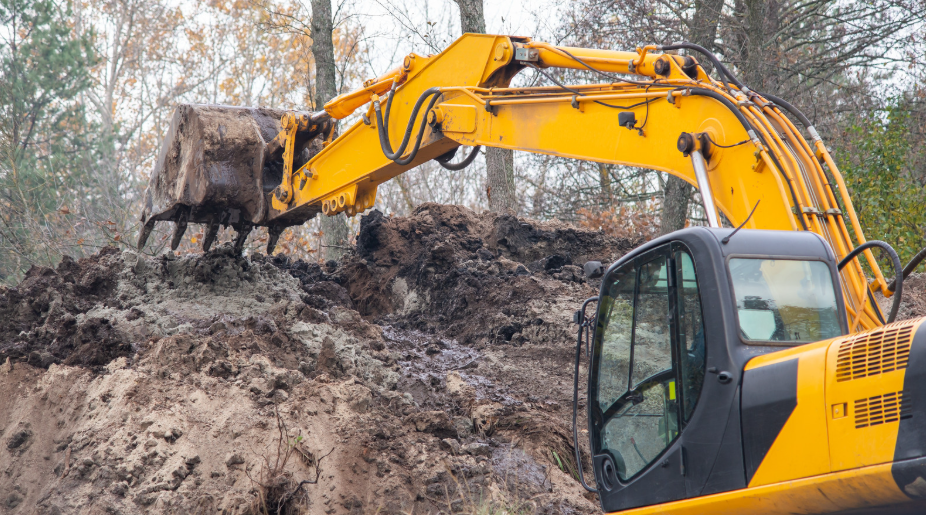
Laying the groundwork for a stable home begins long before the first pour of concrete. It starts with analyzing the land and determining how heavy machinery will interact with the soil. A critical oversight in planning can lead to delays or structural issues down the road. Understanding the logistics of getting equipment onto the property is just as vital as the digging process itself. For projects involving house footer excavation in Cleveland, a professional assessment of site conditions ensures that the foundation rests on solid ground.
Assessing Site Accessibility Challenges
Before any digging begins, excavation professionals must evaluate the physical limitations of the property. The ability to maneuver large machinery safely around a site dictates the timeline and success of the project.
Navigation and Obstacles
Narrow lot lines and existing structures often create tight squeezes for standard excavation equipment. Professionals assess the width of entry points, looking for overhead power lines, low-hanging tree branches, or underground utilities that might obstruct the path. If a standard excavator cannot fit between two existing buildings, smaller, more agile machines must be deployed. This careful planning prevents damage to neighboring properties and ensures that the equipment can reach the dig site without compromising safety.
Soil Stability and Grade
The terrain itself poses a significant variable in site access. Steep slopes or soft, marshy ground can make it dangerous for heavy machinery to operate. Excavators must determine if the soil can support the weight of the equipment or if temporary roads need to be constructed. Muddy conditions might require the use of tracked vehicles rather than wheeled ones to distribute weight more evenly and prevent the machine from sinking. Professionals analyze these soil conditions to prevent equipment from getting stuck or tipping over during operation.
Choosing the Right Equipment for the Job
Selecting the appropriate machinery is not a one-size-fits-all decision. The scope of the footer installation and the specific constraints of the site determine which tools will provide the most precise results.
Excavator Sizing and Attachments
The depth and width of the required footers influence the size of the excavator needed. A mini-excavator is often the perfect choice for residential projects with limited space, offering precision digging without the footprint of a massive machine. Conversely, larger homes with deep basements require heavy-duty excavators capable of moving significant cubic yards of earth quickly. Beyond size, the choice of bucket attachments—such as trenching buckets or grading buckets—allows operators to shape the footer trenches with exact dimensions, minimizing the need for manual correction later.
Hauling and Soil Management
Excavation involves not just digging dirt out, but also moving it to a designated location. Skid steer loaders or dump trucks are essential for managing the spoil piles efficiently. If the site has limited space for stockpiling soil, trucks must be coordinated to haul excess dirt away immediately. This logistical coordination ensures the workspace remains clear and safe for the crew. Proper equipment selection ensures that soil management happens in tandem with the digging, maintaining a smooth workflow throughout the project.
Conclusion
The success of a foundation project relies heavily on the strategic planning of site access and the precise selection of equipment. Professional excavators understand that navigating a difficult job site is a skill that requires experience and foresight. By carefully matching the machinery to the specific challenges of the terrain, they ensure that the footers are excavated accurately and safely. This meticulous approach to logistics lays the strongest possible groundwork for the structure that will eventually stand above it.