
How to Make Your Guest Bedroom Feel Like a Boutique Hotel
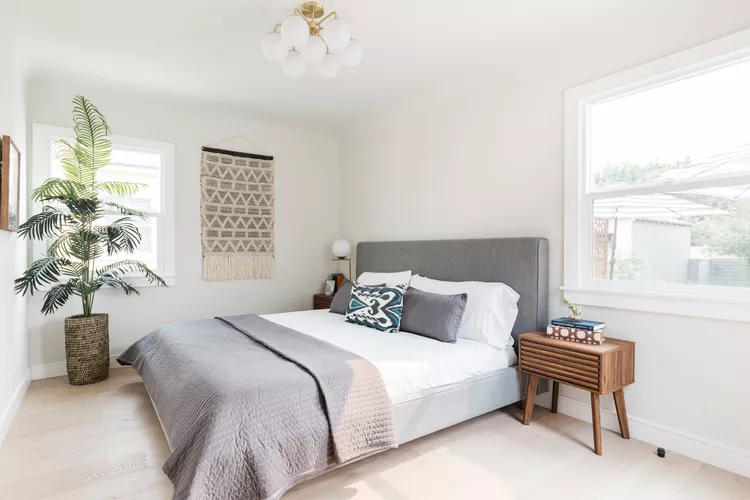
A good guest bedroom is functional. A great one feels considered.
The difference lies in how the room is experienced by someone who doesn’t live there. Boutique hotels understand this instinctively—they design spaces that are immediately comfortable, quietly indulgent, and easy to navigate without explanation. Nothing feels excessive, but everything feels intentional.
At home, guest rooms often become an afterthought. A spare bed, a mix of leftover furniture, and just enough effort to make it presentable. But with a few thoughtful shifts, the same space can feel elevated—less like a backup room, more like a place someone actually wants to stay.
Start With the Bed—It Sets the Entire Tone
In any guest room, the bed does most of the work.
Boutique hotels get this right by focusing on quality and simplicity. Crisp sheets, a supportive mattress, and well-layered bedding create an immediate sense of comfort. It doesn’t need to be elaborate—just well put together.
Aim for:
- clean, well-fitted linens
- two to three pillows per person (not a pile)
- a light layer like a throw or coverlet for flexibility
The bed should feel inviting the moment someone walks in—not overly styled, not sparse, but balanced.
Keep the Palette Calm and Cohesive
Guest bedrooms work best when they feel neutral but not impersonal.
A tight colour palette creates that calm, hotel-like effect. Soft whites, warm beiges, muted greys, or gentle earth tones help the room feel restful without making it feel cold.
The key is variation within the palette. Slight shifts in tone—through custom bedding, upholstery, or custom curtains—add depth so the room doesn’t feel flat.
Avoid overly bold or personal colour choices here. The goal is to create a space that feels universally comfortable.
Make Lighting Feel Layered and Thoughtful
Nothing breaks the illusion of a well-designed space faster than harsh or insufficient lighting.
Boutique hotel rooms always offer options. There’s ambient lighting, but also softer, more localised sources—bedside lamps, wall lights, or subtle accent lighting.
In a guest room, this translates to:
- a bedside lamp on each side (or at least accessible lighting for each guest)
- warm-toned bulbs instead of cool white
- avoiding reliance on a single overhead fixture
Lighting should feel intuitive. Your guest shouldn’t have to search for switches or rely on one bright source.
Think About What Your Guest Sees First—and Last
A boutique hotel room is designed around experience. From the moment you enter to the moment you turn off the lights, everything feels easy.
At home, this often gets overlooked.
When someone walks into your guest bedroom, the first view should feel clean and inviting. When they lie down, the line of sight should be calm—not facing clutter, storage, or visual chaos.
Editing what’s visible makes a significant difference. Clear surfaces, minimal distractions, and a sense of order help the room feel more restful without adding anything new.
Give Them a Place to Live, Not Just Sleep
A common mistake in guest rooms is focusing only on the bed.
But guests need small, practical surfaces:
- a bedside table for essentials
- a chair or bench for a bag
- a clear surface for personal items
These don’t need to be large, but they need to exist. A room that accommodates real use feels far more considered than one that looks good but functions poorly.
Pay Attention to Window Treatments
Light control is one of the biggest differences between a standard room and a hotel-like one.
Guests may have different sleep schedules, jet lag, or simply a preference for darker mornings. A room that feels too bright too early—or too exposed at night—never quite feels comfortable.
Well-chosen bedroom window treatments solve this quietly. Custom roman shades, especially when paired with blackout lining, allow for both soft daylight and complete darkness when needed. They sit neatly within the window, keeping the room visually clean while offering practical control.
If you prefer a softer look, layering them with curtains can add warmth—but the priority should always be function first, then aesthetics.
Add Small, Thoughtful Touches
What makes boutique hotels memorable isn’t excess—it’s consideration.
Small details go a long way:
- a carafe of water or a glass nearby
- a light throw at the end of the bed
- a place to charge devices
- a spare blanket within reach
These aren’t decorative—they’re functional comforts that make someone feel taken care of.
The key is to avoid overdoing it. One or two thoughtful additions feel generous. Too many feel cluttered.
Keep Storage Simple and Accessible
Guests shouldn’t have to guess where to put their things.
Even in a small room, offering a bit of accessible storage—an empty drawer, a few hangers, or a cleared section of a wardrobe—makes the space feel more welcoming.
If built-in storage isn’t available, a simple bench or luggage rack can serve the purpose just as well.
Make It Feel Finished, Not Temporary
One of the biggest differences between a spare room and a guest room is permanence.
A guest room that feels like it’s constantly in transition—used for storage, work, or overflow—never quite achieves that hotel-like quality.
Even if the room serves multiple purposes, it should feel complete when prepared for a guest. This means:
- removing unrelated clutter
- ensuring everything in the room belongs there
- maintaining consistency in style and finish
The goal is to create a space that feels intentional, not assembled at the last minute.
Let It Feel Warm, Not Overdesigned
Boutique hotels strike a balance between design and comfort. The room feels curated, but not rigid.
At home, this translates to a space that is thoughtful but relaxed. Bedding that isn’t overly perfect, a chair that looks usable, and a room that feels lived-in rather than staged.
Guests should feel like they can settle in immediately, without worrying about disturbing anything.
Conclusion
A boutique hotel room doesn’t rely on extravagance. It relies on clarity—of layout, of comfort, and of experience.
When your guest bedroom is thoughtfully arranged, softly lit, and easy to use, it begins to feel more than just a place to sleep. It feels welcoming, considered, and quietly indulgent.
You don’t need to redesign the entire room to achieve this. A few well-judged decisions—better light control, custom bedroom window treatments, a more intentional layout, and details that anticipate your guest’s needs—can transform the space completely.
Because in the end, what people remember isn’t how your guest room looked.
It’s how easy it felt to be in.