
Selecting Excellence: Factors for Choosing a UL 508A Certified Panel Fabricator
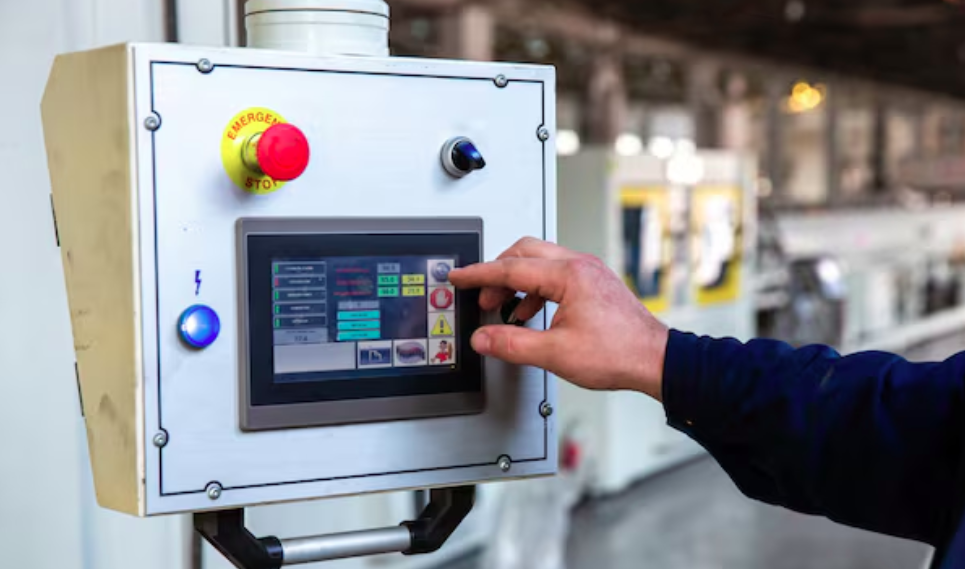
In the demanding world of industrial electrical systems, the quality of a control panel is the primary determinant of operational safety and system reliability. Selecting a partner to design and build these complex assemblies requires more than just a cursory review of pricing.
It is a strategic decision that affects long-term maintenance costs, regulatory compliance, and the overall safety of your personnel. A high-quality UL 508A certified panel fabricator ensures that your electrical infrastructure meets the most rigorous engineering standards.
By evaluating specific professional attributes, you can secure a partnership that guarantees technical precision and industrial durability for your facility.
Verifying Official Licensing and UL 508A Certification Status
The most fundamental requirement is to confirm that the company is officially recognized by Underwriters Laboratories.
A legitimate ul 508a certified panel fabricator must undergo regular, unannounced inspections to prove that their construction methods and component selections remain compliant with evolving safety codes. This certification is not a one-time achievement but a continuous commitment to quality.
Before signing any contract, it is wise to request their specific UL file number and verify it through the official directory. This ensures that the shop is legally authorized to apply the UL mark to the finished product.
Assessing Technical Expertise with Complex Control Systems
Industrial automation often involves sophisticated logic controllers, variable frequency drives, and intricate communication networks. When searching for a UL 508A certified panel fabricator, you must assess their internal engineering capabilities and their history with similar projects.
A shop with extensive experience in your specific industry will understand the environmental challenges and performance requirements unique to your operations.
They should demonstrate a deep knowledge of thermal management, electromagnetic interference mitigation, and efficient wire routing. This expertise ensures that your panel is not only compliant but also optimized for high-performance and easy troubleshooting.
Evaluating Component Selection and Supply Chain Integrity
The longevity of an electrical panel is directly tied to the quality of the components housed inside it. A reliable UL 508A certified panel fabricator will only use listed and recognized parts from reputable manufacturers.
They should maintain a transparent supply chain to ensure that every breaker, relay, and terminal block is authentic and meets the necessary industrial ratings.
Avoid fabricators who suggest cutting costs by using generic or unrated components, as this can void the certification and lead to premature system failure. Quality materials are the bedrock of a safe and efficient electrical installation.
Prioritizing Clear Documentation and Precise Labeling
The mark of a professional fabrication shop is the clarity of the documentation provided with the finished unit. Every panel should be accompanied by detailed schematics, a comprehensive bill of materials, and clear wiring diagrams.
Precise labeling on both the wires and the internal components is essential for future maintenance and rapid repairs. A top-tier fabricator takes pride in organized, well-documented work that allows your internal maintenance team to understand the system architecture quickly.
Proper documentation is a critical asset that reduces downtime and simplifies the process of future system upgrades or modifications.
Understanding Quality Assurance and Functional Testing Protocols
Before a panel leaves the fabrication floor, it must undergo a series of rigorous functional tests to ensure every circuit operates correctly.
Inquire about the specific quality control measures the fabricator employs, such as point-to-point continuity testing, power-up procedures, and insulation resistance checks.
These tests verify that there are no assembly errors or faulty components before the unit arrives at your facility.
A dedicated testing phase prevents expensive field modifications and ensures that the commissioning process is smooth and efficient, allowing your operations to begin without technical setbacks.