
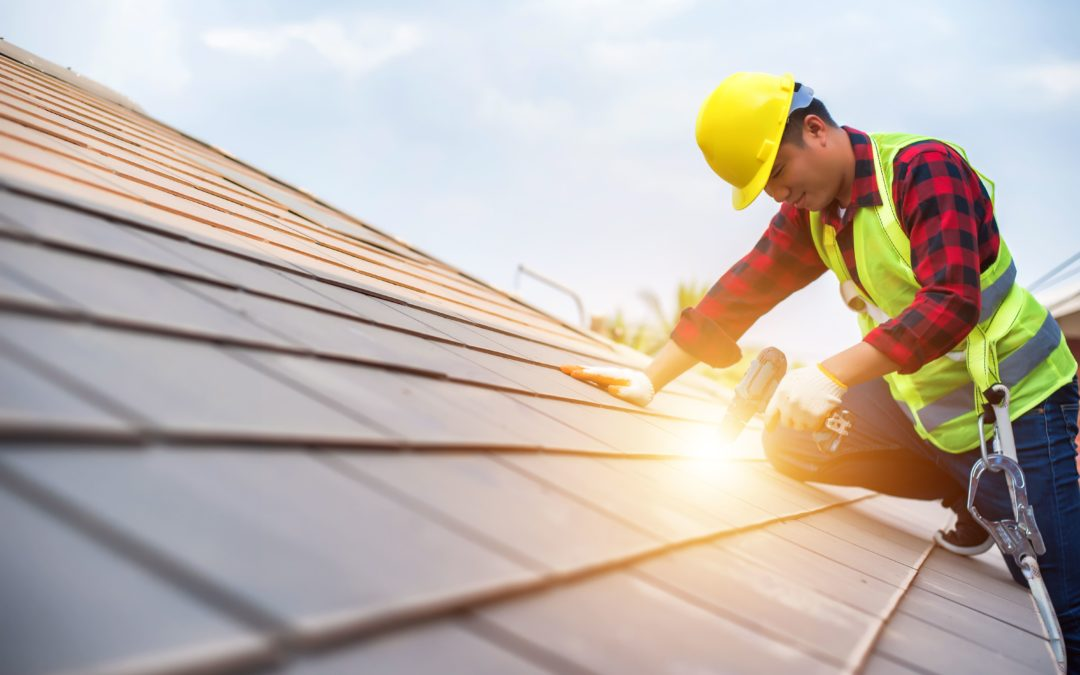
Enhancing Home Exteriors: Choosing the Right Residential Roofing Contractor and Siding Options

When it comes to enhancing the appeal and functionality of your home, few elements play as crucial a role as the roof and siding. These components not only protect your home from the elements but also significantly contribute to its aesthetic charm and energy efficiency. Choosing the right residential roofing contractor and siding options is therefore a decision that should be approached with careful consideration and informed choices.

Importance of Quality Roofing and Siding

  1. Protection and Durability:
    The primary function of roofing and siding is to shield your home from weather conditions such as rain, snow, wind, and UV radiation. High-quality materials and expert installation ensure durability and long-term protection against these elements.
  2. Energy Efficiency:
    Well-installed roofing and siding can improve energy efficiency by providing better insulation and reducing heat transfer. This can lead to lower energy bills and a more comfortable indoor environment throughout the year.
  3. Enhanced Curb Appeal:
    Aesthetically pleasing roofing and siding enhance the overall appearance of your home, boosting its curb appeal and potentially increasing its resale value. Choosing the right materials and colors can transform the exterior look and feel of your property.

Choosing the Right Residential Roofing Contractor

Selecting a reputable residential roofing contractor is pivotal to ensuring the quality and longevity of your roof. Here are essential factors to consider:

  1. Credentials and Experience:
    Look for contractors with proper licenses, insurance, and certifications. Experience in installing the type of roof you desire is crucial as it ensures they understand the intricacies of the job.
  2. Reputation and Reviews:
    Check online reviews, testimonials, and references from past clients. A contractor with a solid reputation for quality workmanship and customer satisfaction is likely to deliver superior results.
  3. Materials and Options:
    A reliable contractor should offer a variety of roofing materials such as asphalt shingles, metal roofing, tile, or cedar shakes. They should provide guidance on choosing materials that best suit your budget, climate, and aesthetic preferences.
  4. Warranty and Maintenance:
    Inquire about warranties on both materials and workmanship. A reputable contractor will stand behind their work and offer maintenance services to ensure your roof remains in top condition.

Exploring Siding Options for Your Home

Choosing the right siding material is crucial for both aesthetic appeal and functionality. Here are popular siding options to consider:

  1. Vinyl Siding:
    Vinyl siding is affordable, low-maintenance, and available in a wide range of colors and styles. It is resistant to fading, rotting, and insects, making it a durable choice for many homeowners.
  2. Wood Siding:
    Wood siding offers a natural, timeless appeal and can be painted or stained to match your preferences. Cedar and redwood are popular choices due to their durability and resistance to decay.
  3. Fiber Cement Siding:
    Fiber cement siding combines the aesthetics of wood with the durability of cement. It is resistant to fire, insects, and rot, making it a low-maintenance option that retains its color for years.
  4. Metal Siding:
    Metal siding, such as aluminum or steel, provides excellent durability and minimal maintenance. It is available in various finishes and can mimic other materials like wood or stucco.

Hiring a Siding Contractor

Just like with roofing, selecting the right siding contractor is essential for a successful home exterior upgrade:

  1. Expertise and Portfolio:
    Choose a contractor with experience installing the type of siding you prefer. Review their portfolio to see examples of past projects and ensure they can deliver the aesthetic and functional results you envision.
  2. Cost and Budget:
    Discuss cost estimates upfront and ensure they fit within your budget. A reputable contractor will provide a detailed quote that outlines materials, labor costs, and any additional expenses.
  3. Installation Process:
    Understand the contractor’s installation process, including preparation, timeline, and cleanup. Clear communication about expectations and deadlines is key to a smooth project execution.
  4. Warranties and Maintenance:
    Inquire about warranties on siding materials and installation. A dependable contractor should offer guarantees on both to protect your investment and provide peace of mind.

Conclusion

Investing in high-quality roofing and siding enhances not only the protection and energy efficiency of your home but also its visual appeal and value. By carefully selecting a reputable residential roofing contractor and exploring suitable siding options, you can achieve an exterior upgrade that meets your practical needs and aesthetic preferences for years to come. Take the time to research and consult with professionals to make informed decisions that benefit your home in the long term.
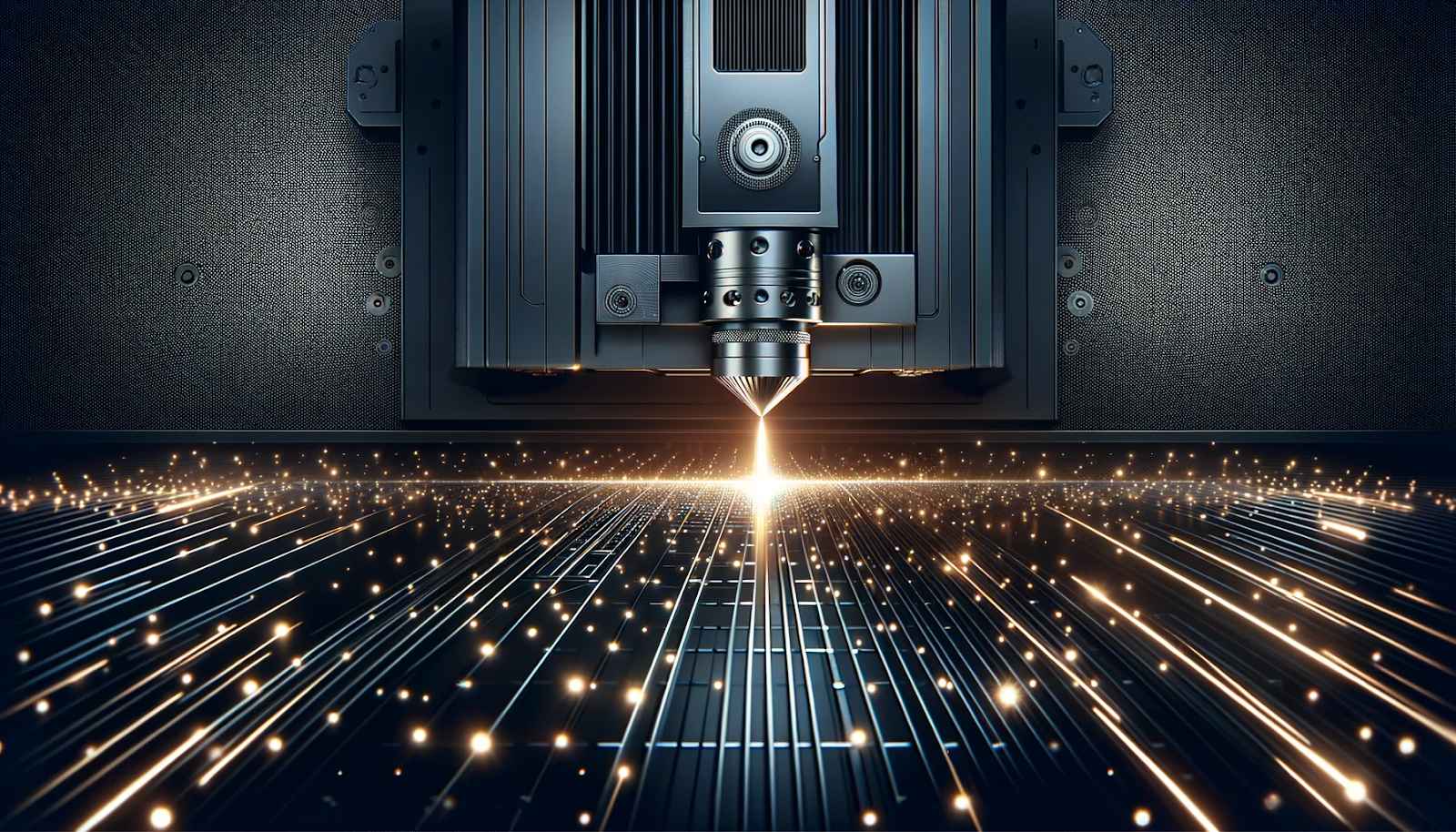
Advantages of Laser Cutting Over Traditional Methods

In the realm of manufacturing and fabrication, precision and efficiency are paramount. Laser cutting has revolutionized these industries by offering a level of accuracy and versatility that traditional cutting methods struggle to match. Utilizing the power of focused laser beams, this advanced technology brings several distinct advantages over conventional cutting techniques like mechanical cutting or sawing. Let’s delve into how laser cutting stands out in today’s competitive manufacturing landscape.

Precision Engineering

One of the standout advantages of laser cutting is its unparalleled precision. The laser beam, guided by computer numerical control (CNC), can cut intricate shapes and patterns with microscopic accuracy. This capability is especially crucial in industries where components need to fit together precisely, such as aerospace, automotive, and electronics. Unlike traditional methods that may result in rough edges or inaccuracies, laser cutting ensures clean, smooth cuts even on complex geometries.

Versatility in Material Handling

Laser cutting isn’t limited to a specific type of material. It can effortlessly handle a wide range of substances, including metals (such as steel, aluminum, and titanium), plastics, wood, ceramics, and even fabrics. This versatility is a significant advantage over traditional methods that often require different tools or setups for different materials. Whether it’s thin sheets or thick blocks, laser cutting adapts to the material without compromising on quality or speed.

Speed and Efficiency

Time is money in manufacturing, and laser cutting delivers efficiency like no other. The process is significantly faster than traditional methods because it operates without physical contact with the material. This non-contact approach not only speeds up the cutting process but also reduces wear and tear on equipment, leading to lower maintenance costs and increased productivity. Complex designs that would take hours or days with traditional methods can be completed in minutes with laser cutting technology.

Minimal Material Wastage

Precision cutting means optimized material usage. Laser cutting minimizes material wastage by allowing for tight nesting of parts, maximizing the number of components that can be produced from a single sheet or block. Traditional cutting methods, which often rely on manual intervention or less precise machinery, can lead to higher scrap rates and increased material costs. Laser cutting helps manufacturers reduce their environmental footprint by conserving resources and minimizing waste disposal.

Flexibility in Design

Design flexibility is a hallmark of laser cutting technology. From simple shapes to intricate patterns, designers have the freedom to create innovative products without the constraints imposed by traditional cutting tools. Laser cutting’s ability to handle detailed designs, including small holes, sharp corners, and complex curves, expands the possibilities for product development and customization. This flexibility is particularly advantageous in industries where aesthetics and design intricacy are critical.

Enhanced Safety Features

Compared to traditional cutting methods that involve sharp blades, saws, or drills, laser cutting offers enhanced safety features. The process is largely automated and controlled remotely, minimizing the risk of operator injuries associated with manual handling of cutting tools. Additionally, laser cutting systems often incorporate safety protocols such as beam enclosures, automatic shutdown mechanisms, and real-time monitoring to ensure a safe working environment for operators and technicians.

Scalability and Reproducibility

Laser cutting technology is highly scalable, making it suitable for both small-scale prototyping and large-scale production runs. Once a design is programmed into the CNC system, laser cutting can reproduce identical parts with consistent quality and precision. This repeatability is crucial in industries where uniformity and reliability are paramount, such as medical device manufacturing or consumer electronics production. Manufacturers can confidently scale their operations knowing that laser cutting can meet their demands efficiently.

Integration with CAD/CAM Software

Advancements in computer-aided design (CAD) and computer-aided manufacturing (CAM) have synergized with laser cutting technology. Design files created in CAD software can be directly translated into cutting instructions for CNC-operated laser cutting machines. This seamless integration streamlines the production process, reduces setup times, and enhances overall workflow efficiency. It also facilitates rapid prototyping and iterative design improvements, accelerating time-to-market for new products.

Conclusion

Laser cutting has transformed the manufacturing landscape by offering unparalleled precision, versatility, speed, and efficiency compared to traditional cutting methods. Its ability to handle diverse materials, minimize waste, ensure safety, and facilitate complex designs makes it a preferred choice across various industries. As technology continues to evolve, laser cutting remains at the forefront of innovation, driving advancements in manufacturing capabilities and enabling new possibilities in product development and production efficiency.