
What to Know Before Working With a Basement Finishing Contractor
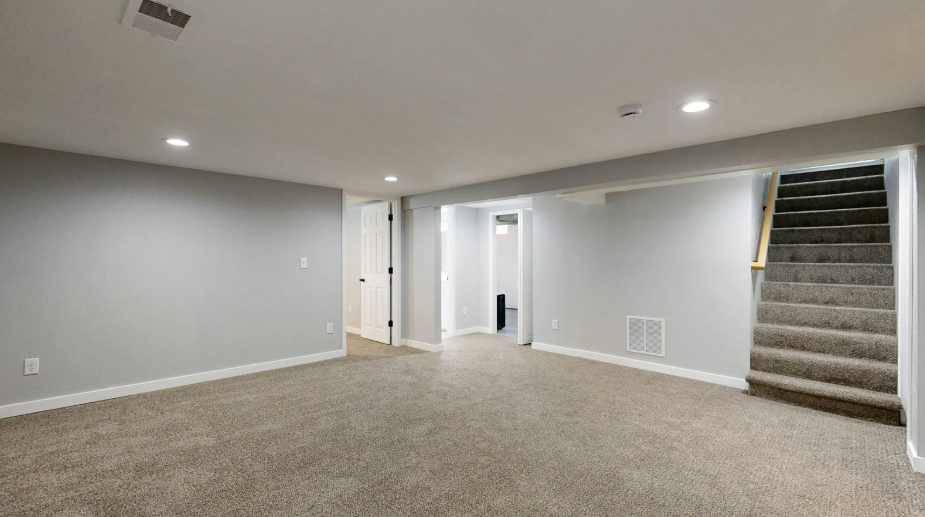
Finishing a basement can significantly expand your home’s usable space, but success depends on careful planning and the right professional guidance. This type of project involves more than adding walls and flooring; it requires structural awareness, moisture control, and long-term design thinking. For homeowners considering a basement finishing contractor in Hinsdale, understanding what to expect before work begins helps avoid costly surprises. A well-informed approach sets clear expectations and supports a smoother renovation process. Knowing the fundamentals allows homeowners to move forward with confidence.
Understanding the Scope of Basement Finishing
Basement finishing is different from remodeling above-ground spaces because it involves unique environmental and structural conditions. Factors such as moisture levels, ceiling height, and foundation integrity all influence what can be done safely and effectively.
Professional contractors begin by assessing these conditions to determine feasibility. This evaluation ensures the finished space is durable, comfortable, and compliant with local codes.
Evaluating Experience and Qualifications
Before selecting a contractor, it is important to understand their experience with basement-specific projects. Not all contractors are equally familiar with below-grade construction requirements.
Professionals who specialize in basement finishing are better equipped to anticipate challenges and propose solutions that protect both the structure and the investment.
Planning for Moisture Control and Insulation
Moisture management is one of the most critical aspects of basement finishing. Without proper planning, finished basements can develop long-term issues that affect comfort and durability.
Contractors address this by evaluating drainage, sealing, insulation, and ventilation needs early in the process. These steps help create a stable indoor environment.
Design and Layout Considerations
Basement layouts should be planned around how the space will be used. Clear goals help determine room divisions, lighting needs, and utility placement.
Professionals design layouts that maximize usable space while maintaining accessibility and comfort. Proper planning ensures the basement feels like a natural extension of the home.
Code Compliance and Safety Requirements
Basement finishing projects must meet local building codes, including requirements for egress, electrical systems, and ceiling heights. Contractors manage these details to ensure compliance.
Safety features such as proper exits and fire protection are not optional; they are essential components of responsible basement construction.
Communication and Project Expectations
Clear communication between homeowners and contractors is essential. Understanding timelines, work phases, and potential disruptions helps set realistic expectations. Professionals provide structured plans and regular updates, reducing uncertainty throughout the project.
Asking the Right Questions Early
Being prepared with thoughtful questions helps homeowners evaluate whether a contractor is the right fit. Discussing experience, planning approach, and project coordination early can reveal important insights. Understanding the questions to ask a contractor about basement remodeling supports more productive conversations and better decision-making before work begins.
Budget Planning and Transparency
Basement finishing costs can vary based on scope, materials, and existing conditions. Contractors should provide detailed estimates that explain where costs are allocated. Transparent budgeting helps homeowners make informed choices without unexpected financial strain later in the project.
Long-Term Use and Value Considerations
A well-finished basement should support long-term use rather than short-term needs. Contractors help plan spaces that remain functional as lifestyles change. Durable materials and adaptable layouts contribute to lasting value and satisfaction.
Conclusion
Working with a basement finishing contractor requires preparation, clear communication, and an understanding of what the project involves. By focusing on experience, moisture control, design planning, and safety compliance, homeowners can set the stage for a successful outcome. Informed decisions before construction begins help ensure the finished basement is comfortable, durable, and seamlessly integrated into the home.