What to Look for in a Dependable Waste Pickup Provider

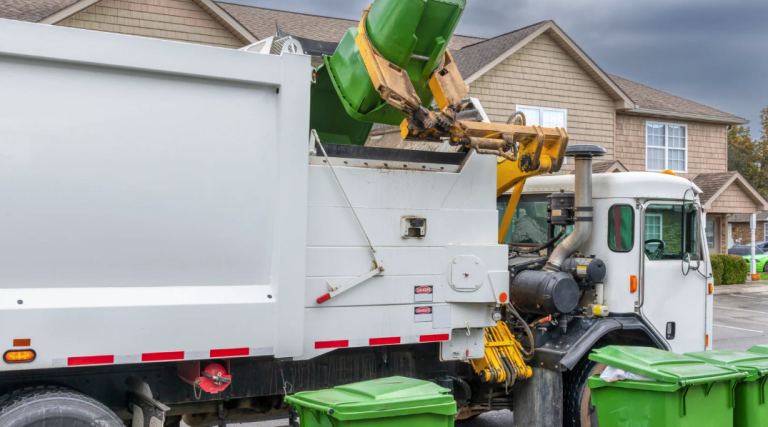
Managing waste efficiently is a critical part of keeping residential and commercial spaces clean, compliant, and safe. Choosing the right provider goes beyond simple collection—it affects hygiene, scheduling reliability, and long-term cost control. In areas with growing communities and businesses, dependable service becomes even more important. When evaluating options for waste pickup in Hall County, it helps to know which qualities truly matter. A professional approach ensures waste is handled responsibly without disrupting daily operations. Below are the key factors to consider before making a decision.  

Proven Reliability and Consistent Scheduling

A dependable waste pickup provider must deliver on time, every time. Missed collections can quickly lead to overflow, odors, and health concerns, especially in high-traffic environments. Reliability is often reflected in how well a provider maintains schedules during peak seasons and unexpected disruptions.

Consistency also shows professionalism. Providers with structured routing and clear service windows help clients plan confidently, reducing operational stress. This level of dependability is especially valuable for ongoing service agreements where predictability matters most.

Compliance, Safety, and Responsible Handling

Professional waste pickup services operate with a strong understanding of local regulations and safety standards. Compliance ensures waste is collected, transported, and disposed of correctly, minimizing environmental impact and potential liabilities.

Between these priorities, responsible handling plays a central role. Many professional teams follow best practices similar to taking out the trash without making a mess, principles focused on cleanliness, containment, and reducing spillage during collection. This approach protects surrounding areas and maintains a clean appearance without drawing attention to the process itself. 

Trained Staff and Proper Equipment

Before getting into service flexibility, it’s important to understand who is handling the work. Skilled personnel equipped with well-maintained vehicles and containers reduce risks and improve efficiency. Proper equipment ensures waste is secured during transport and handled with minimal disruption.

This professional setup also supports safer operations, protecting both clients and workers while maintaining a higher standard of cleanliness.

Service Flexibility and Scalable Options

Every property has different needs, and a dependable provider should offer adaptable solutions. Flexible pickup frequencies, container sizes, and service plans allow waste management to align with actual usage rather than a one-size-fits-all approach.

Scalability is equally important. As needs change over time, professional services can adjust seamlessly, ensuring continued efficiency without service gaps. This adaptability reflects experience and long-term commitment.

Clear Communication and Transparent Practices

Effective communication builds trust. Reliable providers maintain clear points of contact, provide timely updates, and address concerns proactively. Transparency around service expectations and processes helps avoid misunderstandings and ensures smooth coordination.

Professional operations emphasize accountability, making it easier to maintain a clean, organized environment while staying focused on core responsibilities.

Commitment to Professional Standards

Dependable waste pickup is defined by professionalism at every level—from planning and execution to follow-through. Providers who prioritize quality control and continuous improvement demonstrate a strong commitment to service excellence.

This dedication results in smoother operations, cleaner surroundings, and fewer disruptions over time, making professional waste pickup a valuable long-term investment.

Conclusion

Selecting the right waste pickup provider requires careful consideration of reliability, compliance, flexibility, and professional standards. When these elements align, waste management becomes a seamless part of daily operations rather than a recurring concern. A well-chosen service partner supports cleanliness, safety, and efficiency, contributing to a better-managed environment overall. 

Exploring Hardscape Solutions for Sloped & Challenging Terrains

Dealing with a sloped property often feels like a battle against gravity, where soil erosion and unusable space limit your outdoor potential. However, a steep incline is actually an opportunity to create dynamic, multi-level living areas that flat yards simply cannot match. By working with experienced hardscape installers in Duluth, homeowners can transform these difficult grades into stunning, functional landscapes that add significant value and curb appeal to the property. 

Mastering the Slope with Retaining Walls

Retaining walls are the backbone of any hardscape project on uneven terrain. They provide the necessary structural support to hold back soil while creating flat, usable tiers on what was previously a steep hill.

Structural Integrity Meets Aesthetics

Professional installation ensures that retaining walls are built to withstand immense pressure from soil and water. Beyond their functional role, these walls can be constructed from natural stone, concrete blocks, or brick to complement the home’s architecture. A well-designed wall system turns a chaotic slope into a series of elegant garden beds or sitting areas.

Managing Water Runoff

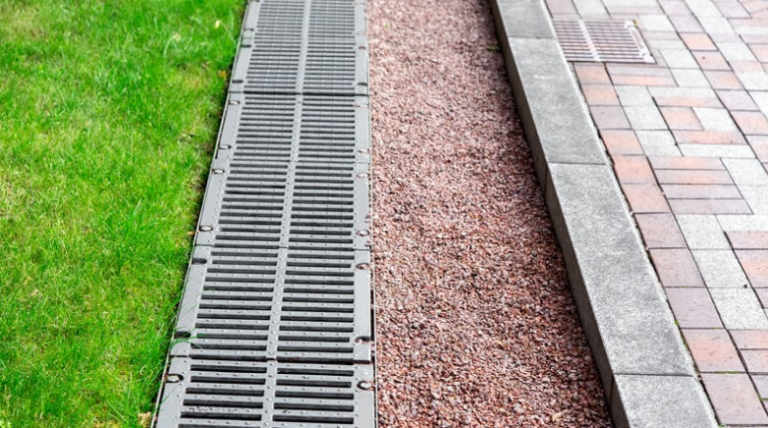
One of the biggest challenges with slopes is water drainage. Improper management leads to erosion and potential foundation damage. Professional hardscape integrators integrate drainage solutions directly behind the walls, using gravel backfill and drainage pipes to redirect water safely away from the structure and your home.

Creating Usable Spaces with Terracing

Terracing involves cutting a slope into a series of receding flat surfaces or platforms, which resemble steps. This technique is incredibly effective for maximizing usable square footage on a hill.

Multi-Level Outdoor Living

Instead of one steep, unusable yard, terracing allows for distinct zones. You might have a dining patio on the upper level, a fire pit area in the middle, and a garden on the lower tier. This separation creates a sense of discovery and flow as you move through the landscape. 

Steps and Walkways

Connecting these terraces requires safe, durable navigation. Incorporating stone steps or winding pavers ensures safe passage between levels. The hardscape installation planning and preparation involve carefully calculating the rise and run of each step to ensure a comfortable walking cadence that feels natural rather than strenuous.  

Innovative Solutions for Steep Grades

When the terrain is particularly challenging, standard approaches may need to be adapted. Experienced contractors can deploy creative strategies to conquer even the most severe inclines.

Suspended Decks and Patios

Sometimes, building into the ground isn’t the best option. Suspended patios or raised masonry decks can float above the slope, providing a flat entertainment surface without the need for massive excavation. This approach preserves the natural lay of the land beneath while giving you the outdoor room you desire.

Natural Rock Gardens

For areas where heavy construction isn’t feasible or desired, incorporating large boulders and rock gardens can stabilize the soil. These features mimic natural outcroppings and can be planted with deep-rooted ground cover to further secure the slope against erosion.

Conclusion

Transforming a sloped yard requires a blend of engineering precision and artistic vision. While the challenges of gravity and drainage are real, the rewards of a professionally executed design are immense. By turning a difficult grade into a series of purposeful, beautiful spaces, you not only solve the practical issues of erosion and access but also create a unique outdoor environment that stands apart from the typical flat backyard. Investing in expert craftsmanship ensures that these structures remain safe, durable, and visually striking for decades to come.  

What to Know Before Working With a Basement Finishing Contractor

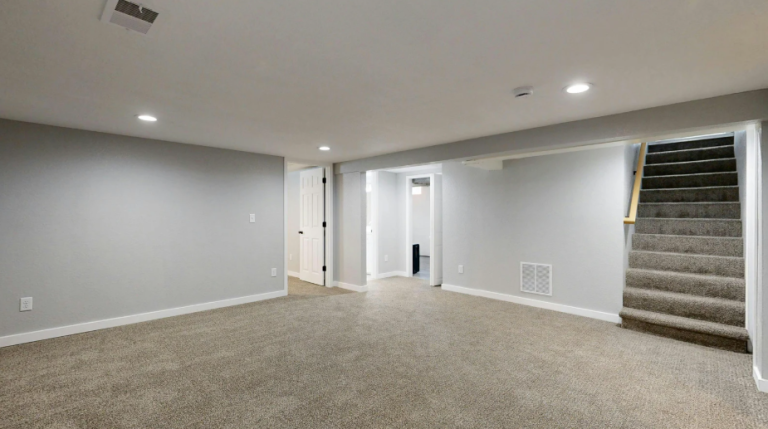
Finishing a basement can significantly expand your home’s usable space, but success depends on careful planning and the right professional guidance. This type of project involves more than adding walls and flooring; it requires structural awareness, moisture control, and long-term design thinking. For homeowners considering a basement finishing contractor in Hinsdale, understanding what to expect before work begins helps avoid costly surprises. A well-informed approach sets clear expectations and supports a smoother renovation process. Knowing the fundamentals allows homeowners to move forward with confidence.

Understanding the Scope of Basement Finishing

Basement finishing is different from remodeling above-ground spaces because it involves unique environmental and structural conditions. Factors such as moisture levels, ceiling height, and foundation integrity all influence what can be done safely and effectively.

Professional contractors begin by assessing these conditions to determine feasibility. This evaluation ensures the finished space is durable, comfortable, and compliant with local codes.

Evaluating Experience and Qualifications

Before selecting a contractor, it is important to understand their experience with basement-specific projects. Not all contractors are equally familiar with below-grade construction requirements.

Professionals who specialize in basement finishing are better equipped to anticipate challenges and propose solutions that protect both the structure and the investment.

Planning for Moisture Control and Insulation

Moisture management is one of the most critical aspects of basement finishing. Without proper planning, finished basements can develop long-term issues that affect comfort and durability.

Contractors address this by evaluating drainage, sealing, insulation, and ventilation needs early in the process. These steps help create a stable indoor environment.

Design and Layout Considerations

Basement layouts should be planned around how the space will be used. Clear goals help determine room divisions, lighting needs, and utility placement.

Professionals design layouts that maximize usable space while maintaining accessibility and comfort. Proper planning ensures the basement feels like a natural extension of the home.

Code Compliance and Safety Requirements

Basement finishing projects must meet local building codes, including requirements for egress, electrical systems, and ceiling heights. Contractors manage these details to ensure compliance.

Safety features such as proper exits and fire protection are not optional; they are essential components of responsible basement construction.

Communication and Project Expectations

Clear communication between homeowners and contractors is essential. Understanding timelines, work phases, and potential disruptions helps set realistic expectations. Professionals provide structured plans and regular updates, reducing uncertainty throughout the project.

Asking the Right Questions Early

Being prepared with thoughtful questions helps homeowners evaluate whether a contractor is the right fit. Discussing experience, planning approach, and project coordination early can reveal important insights. Understanding the questions to ask a contractor about basement remodeling supports more productive conversations and better decision-making before work begins.

Budget Planning and Transparency

Basement finishing costs can vary based on scope, materials, and existing conditions. Contractors should provide detailed estimates that explain where costs are allocated. Transparent budgeting helps homeowners make informed choices without unexpected financial strain later in the project.

Long-Term Use and Value Considerations

A well-finished basement should support long-term use rather than short-term needs. Contractors help plan spaces that remain functional as lifestyles change. Durable materials and adaptable layouts contribute to lasting value and satisfaction.

Conclusion

Working with a basement finishing contractor requires preparation, clear communication, and an understanding of what the project involves. By focusing on experience, moisture control, design planning, and safety compliance, homeowners can set the stage for a successful outcome. Informed decisions before construction begins help ensure the finished basement is comfortable, durable, and seamlessly integrated into the home.

How Replacement Windows Support Better Indoor Climate Control

Maintaining a comfortable, consistent indoor temperature can feel like a constant battle, especially with outdated or inefficient windows. These older windows often contribute to drafts, energy loss, and fluctuating indoor temperatures. Upgrading to modern windows is a strategic investment in your home’s comfort and efficiency. For those looking to improve their living environment, considering professional installation of replacement windows in Houston can be the first step toward achieving better indoor climate control and a more stable, comfortable atmosphere year-round.  

The Role of Modern Windows in Temperature Regulation

New windows are engineered with advanced features that directly impact your home’s ability to maintain a stable internal climate. They act as a superior barrier between your indoor living space and the weather outside.

Advanced Glass Technologies

One of the most significant advancements is in glass technology itself. Many modern windows feature double or even triple-pane glass. These units have a layer of inert gas, such as argon or krypton, sealed between the panes. This gas is denser than air and acts as an insulator, slowing the transfer of heat. Additionally, low-emissivity (Low-E) coatings are applied to the glass. These microscopic, metallic coatings reflect infrared light, keeping heat out during the summer and in during the winter, helping significantly regulate your home’s temperature without compromising natural light.

Superior Frame Materials and Construction

The material and construction of the window frame also play a critical role in insulation. Materials like vinyl, fiberglass, and composite offer excellent thermal resistance, preventing heat from passing through the frame. Unlike older metal or wood frames that can warp, rot, or conduct heat, these modern materials are durable and designed for energy efficiency. The construction quality ensures a tighter seal, eliminating drafts and air leaks common to aging windows and contributing to an unstable indoor climate.

Beyond Comfort: Additional Benefits of Climate Control

Achieving better climate control with new windows provides advantages that extend beyond just feeling more comfortable in your home. These benefits contribute to a healthier and more personalized living space. 

Enhancing Energy Efficiency

When your home maintains a more consistent temperature, your heating and cooling systems don’t have to work as hard. This reduced strain leads to lower energy consumption and, consequently, lower utility bills each month. By minimizing heat gain in the summer and heat loss in the winter, new windows help create a more energy-efficient home. You can further enhance your home’s unique look while boosting efficiency by exploring custom window designs that match your specific architectural style and personal preferences.

Conclusion

Upgrading your home’s windows is an effective way to improve indoor climate stability. The advanced technologies in modern glass and frames work together to create a formidable barrier against external temperature fluctuations. This leads to a more comfortable living environment, reduces the workload on your HVAC system, and can lower your energy expenses. Investing in new, professionally installed windows provides lasting benefits that enhance your home’s comfort and efficiency for years to come.

Boost Growth with Outsourced IT Services for Small Businesses

Small businesses face constant pressure to grow while managing limited resources and increasing technology demands. Reliable systems, secure data, and scalable infrastructure are no longer optional; they are essential to staying competitive. Many organizations turn to outsourced IT services in Atlanta to gain access to expert support without the cost of maintaining a large internal IT team. This approach allows leadership to focus on strategy rather than on technical issues. When technology is managed professionally, growth becomes more sustainable and predictable.

Why Small Businesses Are Rethinking IT Management

As operations expand, technology environments often become more complex. Managing networks, security, cloud platforms, and compliance internally can strain time and budgets.

Outsourced IT services provide structured oversight that adapts as the business evolves. Instead of reacting to problems, organizations benefit from proactive planning and continuous system optimization.

Turning IT Into a Growth Enabler

When systems are stable and secure, employees work more efficiently. Technology becomes a tool that supports expansion rather than a barrier that slows progress.

Cost Control Without Sacrificing Expertise

One of the biggest advantages of outsourcing is predictable cost management. Instead of fluctuating expenses tied to emergency repairs or staffing changes, businesses operate under consistent service models.

This structure delivers access to a team of specialists covering multiple technology disciplines. Small businesses gain enterprise-level expertise while maintaining budget control.

Strengthening Cybersecurity for Growing Organizations

As businesses grow, they often become more attractive targets for cyber threats. Outsourced IT services focus on layered security strategies that evolve alongside risk.

Continuous monitoring, threat detection, and response planning help protect sensitive data and customer trust. Strong security foundations reduce the likelihood of disruptions that could stall growth.

Supporting Scalability and Operational Flexibility

Growth often requires rapid adjustments, new users, additional locations, or expanded digital services. Outsourced IT services are designed to scale efficiently without major system overhauls.

Infrastructure can be adjusted to meet changing demands while maintaining performance stability. This flexibility supports expansion without unnecessary downtime or complexity.

Enabling Cloud-Driven Growth

Many growing businesses adopt cloud platforms to improve agility. Understanding why cloud migration is smoother with outsourced IT services shows how professional oversight reduces risk and accelerates adoption. Proper planning ensures transitions are secure, efficient, and aligned with business goals.

Improving Productivity Through Proactive Support

Technical disruptions directly impact productivity. Outsourced IT services emphasize prevention through monitoring and regular maintenance.

Issues are addressed before they escalate, allowing teams to maintain focus on revenue-generating activities. Faster issue resolution also reduces frustration and workflow interruptions.

Strategic Guidance for Smarter Technology Decisions

Outsourced IT services go beyond daily support by providing strategic insight. Professionals assess current systems and recommend improvements aligned with long-term objectives.

This guidance helps small businesses avoid unnecessary spending while investing in solutions that deliver measurable value.

Enhancing Business Continuity and Resilience

Unexpected events such as system failures or cyber incidents can significantly disrupt operations. Outsourced IT services develop continuity and recovery strategies that protect critical systems.

Regular backups, redundancy planning, and recovery testing ensure operations can resume quickly, minimizing the impact on growth initiatives.

Supporting Compliance and Data Protection

Many industries face regulatory requirements related to data handling and system security. Outsourced IT services help ensure ongoing compliance through monitoring, documentation, and policy enforcement. This reduces legal risk while maintaining consistent operational standards.

Conclusion

Outsourced IT services provide small businesses with the stability, security, and scalability needed to support long-term expansion. By shifting technical responsibilities to experienced professionals, organizations gain predictable costs and expert oversight. With reliable systems in place, growth becomes more focused, efficient, and resilient over time.

Why Yard Drainage Contractors Play a Key Role in Landscape Protection

A beautiful, thriving landscape is a source of pride for any homeowner, adding value and curb appeal to a property. However, all that hard work can be quickly undone by one persistent issue: poor drainage. Water that pools in your yard can lead to a host of problems, from soggy lawns to compromised foundations. This is why the expertise of professional yard drainage contractors in Alpharetta is not just a luxury but a crucial component of protecting your outdoor investment and ensuring its long-term health and stability.    

The Hidden Dangers of Poor Yard Drainage

Improper water management can silently wreak havoc on your landscape. When water has nowhere to go, it creates issues that extend far beyond a few puddles.

Structural and Foundational Risks

Excess moisture in the soil around your home’s foundation can be a serious threat. Constant saturation exerts hydrostatic pressure on foundation walls, which can lead to cracks, leaks, and costly structural damage over time. Water that seeps into basements or crawl spaces also promotes mold and mildew growth, creating unhealthy living conditions. A properly designed drainage system moves water away from your home, protecting its structural integrity from the ground up.

Protecting Your Plants and Lawn

Your landscape’s health is directly tied to soil conditions. When soil becomes waterlogged, it suffocates plant roots by depriving them of oxygen. This leads to root rot, a condition that can kill grass, shrubs, and even mature trees. Standing water also creates an ideal breeding ground for mosquitoes and other pests, while making your lawn unusable after rainfall. Effective drainage ensures your soil maintains the right balance of moisture, allowing your landscape to flourish.

The Professional Solution to Water Woes

Addressing drainage problems requires more than just digging a simple trench. It involves a comprehensive understanding of your property’s unique topography, soil type, and water flow patterns.

Expertise in Custom Solutions

Professionals assess your entire property to identify the root cause of the water issue. They design and install tailored solutions like French drains, catch basins, or dry creek beds that effectively manage water runoff. This expertise ensures the system is not only functional but also aesthetically integrated into your landscape design. Understanding the benefits of hiring an expert can highlight the difference between a temporary fix and a permanent solution for your property’s water management needs. 

Preserving Landscape Value

By implementing a professional drainage system, you are making a vital investment in your property. It prevents soil erosion, protects expensive landscaping features, and safeguards your home’s foundation from water damage. This proactive approach not only preserves the beauty and usability of your yard but also helps maintain and even increase your property’s overall value by preventing future problems before they start.

Conclusion

Protecting your landscape from water damage is fundamental to maintaining its beauty and health. By addressing drainage issues head-on with professional assistance, you ensure your outdoor space remains a stable, attractive, and enjoyable asset for years to come. Investing in a proper system provides peace of mind, knowing your home and yard are shielded from the destructive potential of excess water. 

Best Erosion Control Companies in Atlanta to Solve Complex Yard Drainage

Atlanta’s heavy rain events and clay-heavy soil can quickly turn a beautiful yard into a mess of runoff, washed-out slopes, and standing water. When drainage problems aren’t handled correctly, erosion can spread fast—damaging landscaping, weakening retaining areas, and even threatening foundations. That’s why choosing the right team matters.

If you’re looking for erosion control in Atlanta services that can handle complex grading, stormwater flow, and long-term stabilization, working with experienced specialists is the smartest solution. Below are trusted service providers known for tackling drainage and erosion problems with professional, lasting results.

Erosion Management Services

Drainage issues rarely have a single cause, which is why erosion control professionals start with careful assessment before implementing a complete plan.

Solutions designed for property-specific flow problems

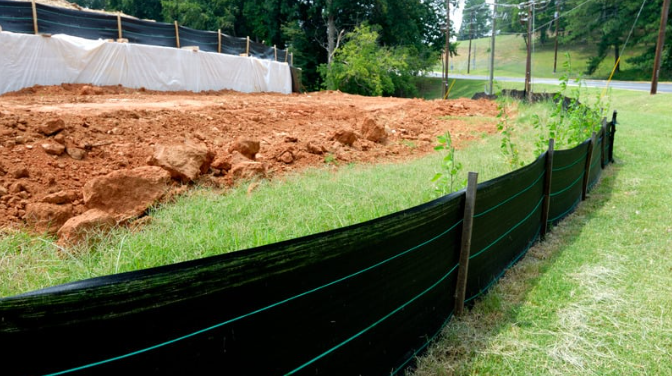
Erosion Management Services often focus on identifying high-risk runoff channels, slope failures, and weak soil zones. Services typically include slope stabilization, erosion matting, swale shaping, and sediment control installations that are built to withstand Atlanta’s intense rainfall cycles.

Superior Stormwater Management

Some yards experience repeated washouts because stormwater has no safe exit route, creating pressure points that tear up soil and landscaping.

Strong stormwater routing and drainage correction

This category of company is known for addressing runoff at the source using structured drainage strategies—such as grading improvements, stormwater redirection, and long-term surface stabilization—helping stop erosion from returning season after season.

Orion Erosion Control, Inc.

When erosion affects sloped yards, shared boundaries, or properties with long water paths, the challenge becomes more technical.

Complex erosion control for demanding landscapes

These types of specialists are often associated with engineered-style solutions, including reinforced drainage channels, slope protection systems, and professional erosion prevention methods that work well for high-flow and high-impact drainage patterns.

American Erosion Control

Atlanta properties with recurring drainage damage often need a multi-step approach rather than a quick fix.

Full-service erosion prevention and stabilization

This kind of provider typically handles both prevention and repair—helping stabilize soil, reduce runoff velocity, and protect vulnerable zones using properly installed erosion-control 

Advanced Drainage Solutions

Some erosion problems are rooted in drainage failures that create water buildup and soil displacement during storms.

Yard drainage upgrades that prevent erosion cycles

These companies often focus on drainage performance improvements that keep water moving safely, reducing pooling and preventing repeated soil loss. 

How to Choose the Right Erosion Control Company

Before selecting a service provider, it helps to know what separates long-lasting solutions from short-term work.

What to look for in professional erosion control

The best erosion control providers typically offer on-site evaluations, drainage mapping, and customized plans based on soil type and runoff direction. They also use proper grading strategies, stabilization methods, and stormwater systems that align with property needs. Understanding why erosion control is essential for commercial properties can also clarify why professional erosion solutions are needed for commercial properties to protect land value and infrastructure over time.

Conclusion

Complex drainage and erosion issues in Atlanta require skilled planning, proper grading, and durable stabilization work. By partnering with experienced professionals, property owners can protect soil structure, prevent repeated runoff damage, and restore safe water flow across the landscape—without ongoing disruption or costly rework.

Common Puppy Training Mistakes and How Structured Guidance Prevents Them

Welcoming a new puppy into your home is exciting, but the early stages of training can be daunting. Many new pet owners unknowingly make mistakes that can lead to long-term behavioral issues. Whether it’s inconsistency, lack of structure, or poor timing, these common missteps can hinder your puppy’s development. For those looking to avoid these errors, professional puppy training in Gainesville offers structured guidance that ensures your puppy builds healthy habits from the start.   

Mistake #1 – Delaying Training Beyond the Critical Window

Delaying training is one of the most common and detrimental mistakes. Puppies go through a key developmental period before 16 weeks of age, during which they are most receptive to learning new behaviors. Missing this window can result in fear-based reactions, poor socialization, and difficulty adapting to new environments.

Why Early Intervention Matters

During this formative stage, professional trainers can help introduce basic commands, proper social behavior, and desensitization to everyday stimuli. Structured training early on prevents the development of stubborn habits and sets the tone for obedience and calm behavior later in life. In fact, when addressed early, issues like separation anxiety or leash reactivity can be minimized or avoided entirely.

Mistake #2 – Inconsistency in Commands and Reinforcement

Another major pitfall is inconsistency. When multiple family members use different commands or rewards at irregular times, the puppy becomes confused, making learning ineffective. Consistency is vital for reinforcing expectations and building trust.

How Structured Training Brings Clarity

Professional training programs establish a consistent routine using proven methods. A trained expert ensures that commands are uniform and rewards are timely, creating a reliable pattern the puppy can follow. This structure is essential for long-term obedience and behavioral stability. Proper consistency is often where untrained pet owners falter, but in structured programs, even small actions, like the timing of praise, can significantly enhance learning outcomes. 

Mistake #3 – Ignoring Socialization Opportunities

Puppies need to experience new sights, sounds, people, and animals in a positive way. Unfortunately, many owners either isolate their puppies too much or expose them to overwhelming environments without guidance. Both approaches can lead to fear-based behaviors or aggression later in life.

The Role of Guided Exposure

Well-planned socialization in professional training environments allows puppies to gradually and safely meet new experiences. It’s not just about exposure but how it is done. Controlled interaction builds confidence and prevents over-stimulation, ensuring puppies learn to remain calm and attentive in diverse scenarios. Structured programs are especially effective at integrating socialization in ways that build resilience and emotional balance.

Mistake #4 – Attempting Correction Without Understanding Behavior

Misinterpreting a puppy’s behavior often leads to incorrect punishment or inconsistent discipline. Yelling, physical correction, or neglecting the cause of unwanted behavior only creates fear and mistrust.

Professional Training Identifies the Root Cause

Structured programs are designed to assess behavior holistically. Trainers identify whether issues stem from fear, overstimulation, or unclear expectations. By targeting the cause, they apply appropriate correction techniques, ensuring the puppy feels secure while learning. This thoughtful approach prevents long-term behavioral issues from taking root.

Mistake #5 – Relying on General Tips Instead of Expert Help

Generalized advice often fails to address specific needs. Puppies differ in temperament, breed tendencies, and experiences, and a one-size-fits-all approach can backfire.

Tailored Support Through Professional Services

Structured training offers personalized programs that adapt to your puppy’s unique needs. These programs build a foundation for future training success and behavioral health. As explained in insights on why puppy training should start before 16 weeks, early and expert-led training ensures development is on the right track, something that ad hoc strategies simply cannot guarantee.

Conclusion

Avoiding common puppy training mistakes isn’t just about avoiding frustration; it’s about laying a lifelong foundation of good behavior and trust. Structured training programs offer consistency, timing, and professional insight required to guide your puppy’s development successfully. By recognizing these early pitfalls and choosing expert-led solutions, pet owners can ensure happier, more balanced lives for their canine companions. 

What to Expect During a Professional Garage Door Installation

A new garage door is a significant upgrade that affects security, energy efficiency, and curb appeal. When planning garage door installation in Springboro, homeowners often want clarity on how the professional process works and what each stage involves. From preparation to final testing, professional installation is structured to ensure safety and long-term performance. Knowing what to expect helps homeowners feel confident and informed. Proper installation also ensures the door operates smoothly from day one.

Initial Assessment and Site Preparation

Before installation begins, professionals conduct a detailed assessment of the garage opening and surrounding structure. Measurements are verified to ensure the new door fits precisely and aligns with existing framing.

This preparation phase includes evaluating ceiling clearance, side room, and headroom. Any structural concerns are identified early to avoid delays during installation. Accurate preparation is essential for both safety and performance.

Removing the Existing Door System

If an old door is present, technicians carefully remove it along with worn hardware, tracks, and springs. This step is handled with caution, as garage door components are under high tension.

Proper removal protects the garage structure and allows the new system to be installed on a clean, stable surface. Disposal of old materials is managed efficiently to keep the work area organized.

Installing Tracks, Hardware, and Door Panels

Once the space is prepared, installation begins with mounting the vertical and horizontal tracks. These tracks guide the door’s movement and must be perfectly aligned.

Door panels are then installed section by section, starting from the bottom and working upward. Each panel is secured and checked for level alignment to ensure smooth operation.

Spring and Lift System Installation

The spring system plays a critical role in balancing the weight of the garage door. Professionals install either torsion or extension springs based on the door design and weight requirements.

This stage requires precision and experience, as incorrect spring tension can lead to unsafe operation. Proper balancing ensures the door opens and closes smoothly without placing strain on the opener.

Opener Integration and System Calibration

If a new opener is part of the installation, it is mounted and connected after the door system is in place. Professionals ensure the opener is compatible with the door’s weight and design.

During this phase, travel limits, force settings, and safety sensors are carefully adjusted. Calibration ensures reliable performance and compliance with safety standards.

Safety Feature Testing and Adjustments

Safety is a major focus of professional installation. Technicians test auto-reverse mechanisms, photo-eye sensors, and emergency release systems.

These features are adjusted to respond correctly to obstructions or interruptions. Thorough testing ensures the door meets operational and safety expectations before final approval.

Guidance on Door Selection and Durability

Installation professionals often consider environmental factors such as wind exposure and structural demands. Understanding how to choose a wind-resistant reinforced garage door plays a role in ensuring long-term reliability, especially in areas prone to severe weather. Choosing the right door design supports durability, reduces maintenance needs, and enhances overall performance.

Final Inspection and Homeowner Walkthrough

After installation is complete, a final inspection confirms that all components are secure and functioning properly. The door is cycled multiple times to verify smooth movement and quiet operation.

Homeowners are then guided through basic operation, safety features, and maintenance expectations. This walkthrough ensures clarity and confidence in using the new system.

Long-Term Benefits of Professional Installation

Professional installation supports extended door lifespan and consistent performance. Proper alignment, balanced springs, and accurate calibration reduce wear on components over time. A professionally installed garage door also enhances energy efficiency by sealing gaps and maintaining insulation integrity.

Conclusion

A professional garage door installation follows a structured process focused on precision, safety, and durability. From initial assessment through final testing, each stage is designed to ensure reliable operation and long-term value. With expert handling and careful calibration, homeowners gain a door system that performs efficiently and enhances overall property functionality.

Dog Obedience Training That Creates Reliable Behavior Beyond the Classroom

Bringing a dog into your home is a rewarding experience, but it comes with the responsibility of ensuring they are well-behaved and safe. Many dog owners find that while their pets perform well in a structured class, those skills don’t always translate to the real world. Effective dog obedience training in Atlanta focuses on building a strong foundation that ensures reliable behavior in any environment, not just within the four walls of a training facility. The goal is to cultivate a deep bond and clear communication that lasts a lifetime.  

Bridging the Gap Between Class and Reality

Professional training programs are designed to equip you and your dog with the tools needed for success outside of a controlled setting. The transition from a quiet classroom to a busy park or a noisy street can be challenging for any dog.

A key element of successful training is teaching your dog to focus on you amidst distractions. This is where expert guidance becomes invaluable. Trainers use proven methods to gradually introduce new stimuli, helping your dog learn to remain calm and responsive to your commands regardless of what is happening around them. This structured approach builds confidence in both the dog and the owner.

The Importance of Foundational Skills

Before a dog can be expected to behave reliably in public, it must first master the basics. Commands like “sit,” “stay,” “come,” and “leave it” are the building blocks of good behavior.

A structured curriculum ensures these fundamentals are learned correctly from the start. As dogs progress, they build upon these initial lessons, much like the successful CPT beginner obedience graduates who demonstrate a clear understanding of core commands. This solid foundation is what allows for more advanced training and better overall control in diverse situations. Consistency is crucial, and professional trainers provide a clear path for owners to follow to reinforce these skills at home and on the go. 

Socialization and Environmental Exposure

Proper training extends beyond simple commands; it also involves controlled socialization and exposure to different environments. A well-socialized dog is less likely to react with fear or aggression to new people, other animals, or unfamiliar sounds.

Professional trainers facilitate safe and positive interactions, teaching dogs how to behave appropriately in social settings. They also guide owners on how to continue this exposure safely. This helps prevent the development of anxiety-related behaviors and ensures your dog becomes a confident, well-adjusted companion who is welcome anywhere you go.

Conclusion

Investing in professional obedience training is about more than just teaching your dog a few tricks. It is about creating a lasting partnership built on trust and clear communication. With the right guidance, you can ensure the skills your dog learns are dependable and consistent, allowing you to enjoy a harmonious life together in any situation.

Structured classes go beyond surface-level obedience—they address behavior holistically, nurturing emotional resilience, proper socialization, and controlled responses in real-world scenarios. Whether it’s walking calmly through a busy street or behaving well around strangers and other dogs, professionally trained puppies develop into confident, reliable companions.