
Best Car Detailing Interior Techniques for a Deep Clean
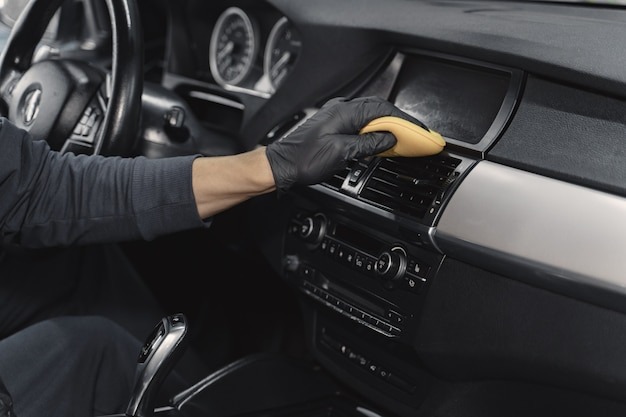
A clean cabin does more than look good. It protects surfaces, removes allergens, and makes every drive more pleasant. Over time, dust, crumbs, spills, and sunlight take a toll on seats, carpets, and dashboards. Professional car detailing interior methods go well beyond a quick vacuum, and many of them are easy to follow at home with the right tools. Here are the best techniques for a deep clean.
1. Start With a Full Declutter and Thorough Vacuum
Every good car detailing interior job begins with removing trash, floor mats, and loose items. Use a vacuum with a crevice tool and a soft brush attachment to reach between seats, under pedals, and along door pockets.
Work from top to bottom so falling dust lands on areas you have not cleaned yet. A brush helps loosen embedded dirt from carpet fibers before you vacuum, which improves results.
2. Clean the Dashboard, Vents, and Controls
When you focus on car detailing interior surfaces, start with the dashboard, center console, and door panels. Spray a gentle interior cleaner onto a microfiber towel instead of directly on the surface, which prevents liquid from seeping into electronics.
Use a soft detailing brush or cotton swabs for air vents, buttons, and seams. Wipe screens with a dedicated, ammonia-free cleaner to avoid damage and streaks.
3. Deep Clean Fabric Seats and Carpets
Fabric needs special attention in any car detailing interior routine. Apply an upholstery or carpet cleaner, agitate with a medium-soft brush, and blot the area with a clean towel.
For stubborn stains, an extractor or wet-dry vacuum can pull out dirt and moisture. Avoid soaking the fabric, since too much water can lead to mildew and odors.
4. Care for Leather and Vinyl Properly
Leather needs gentle handling during car detailing interior work. Use a pH-balanced leather cleaner and a soft brush to lift grime from the grain, then wipe it clean. Follow with a quality conditioner to keep the material soft and prevent cracking.
Vinyl and plastic surfaces benefit from a UV protectant, which helps limit fading from sunlight. Choose products that leave a natural, non-greasy finish, since shiny residue can create glare on the windshield.
5. Clean Glass and Hard-to-Reach Spots
Clear glass is an important part of any car detailing interior job, because film from plastics and smoke builds up over time.
Use an automotive glass cleaner with two microfiber towels, one to apply and one to buff dry. Clean the inside of the windshield with care, using a handheld tool to reach the lower edge near the dashboard.
Final Thoughts
A deep clean works best when you follow a clear order, use the right products, and avoid shortcuts. Quality car detailing interior care preserves your vehicle’s value, improves air quality, and makes the cabin a more comfortable place to be. Repeat a light cleaning every few weeks and a deep clean a few times a year. If you prefer expert help, choose a reputable detailer with good reviews and ask what products and methods they use.