Why Professional Lawn Care Prevents Long-Term Turf Damage

A healthy lawn does more than improve appearance. It protects soil structure, supports outdoor use, and enhances the overall feel of your property. However, turf damage often develops slowly and becomes noticeable only when it is difficult to reverse. This is why consistent professional care plays such an important role in long-term lawn health.

Homeowners looking for reliable lawn service in Milton often notice that professionally maintained turf stays greener, stronger, and more resilient throughout the year. Professional lawn care focuses on prevention rather than correction, which helps avoid the gradual damage that weakens grass over time.

Understanding the Causes of Turf Damage

Turf damage does not happen overnight. It builds as a result of compaction, nutrient imbalance, improper mowing schedules, and untreated stress. Grass that looks fine on the surface may already be struggling beneath the soil. Many lawns suffer from thinning patches, discoloration, and weakened roots due to overlooked conditions. Soil compaction prevents air and water from reaching the roots, while inconsistent treatments leave turf vulnerable to disease and environmental stress. Professional lawn care identifies these issues early and addresses them before permanent damage occurs.

The Role of Consistent Lawn Monitoring

One major advantage of professional care is routine monitoring. Lawn specialists assess grass health, soil condition, and seasonal changes throughout the year. This consistent evaluation ensures that small problems do not escalate. Early detection allows treatments to be adjusted based on grass type, weather patterns, and growth cycles. Over time, this proactive approach helps turf remain dense and evenly rooted, which significantly reduces long-term damage.

How Professional Lawn Care Protects Turf Health

Professional lawn care focuses on creating a balanced environment for grass to thrive. This includes proper fertilization schedules, soil conditioning, and targeted treatments that align with seasonal needs. Rather than applying generic solutions, professionals tailor care plans based on the specific lawn conditions. This level of precision supports deeper root growth and stronger turf structure. Healthy roots are better able to absorb nutrients and withstand stress, which is essential for long-lasting lawn health.

There is often confusion about the service scope, leading homeowners to wonder whether lawn care and landscaping are the same thing. Understanding the difference helps clarify why professional lawn care is so important for turf longevity. Lawn care focuses on the health of grass and soil, while landscaping addresses design and structural elements. Both contribute to outdoor appeal, but turf health relies heavily on specialized lawn care practices. 

Preventing Soil and Root Stress

One of the biggest contributors to turf damage is ongoing stress at the soil level. Compacted soil limits oxygen flow and restricts root expansion. Over time, grass becomes thin and less able to recover from seasonal changes. Professional services address these conditions through proper soil treatments and timing. This reduces root stress and improves overall lawn stability. Strong roots anchor turf firmly and help prevent erosion, thinning, and uneven growth.

Long-Term Benefits of Professional Lawn Care

The long-term benefits of professional lawn care extend beyond appearance. A well-maintained lawn resists weeds, recovers faster from weather stress, and maintains consistent color and texture. Preventing turf damage also reduces the need for major corrective work later. Lawns that receive professional attention from the start require fewer repairs and remain usable and attractive year after year. This makes professional care a practical investment in both lawn health and property value.

Supporting Seasonal Lawn Resilience

Each season presents unique challenges for turf. Heat, cold, changes in moisture, and foot traffic all affect grass differently throughout the year. Professional lawn care adjusts treatments based on seasonal demands, ensuring turf remains protected during high-stress periods. This adaptability helps lawns maintain strength and reduces cumulative damage over time.

Conclusion

Preventing long-term turf damage requires more than occasional attention. It depends on consistent expert care that focuses on soil health, root strength, and seasonal balance. Professional lawn care provides the structure and precision needed to keep grass healthy, resilient, and visually appealing. By addressing issues early and maintaining proper lawn conditions throughout the year, professional services help ensure your turf remains strong for the long run.

How Deck Designing Influences Traffic Flow and Layout

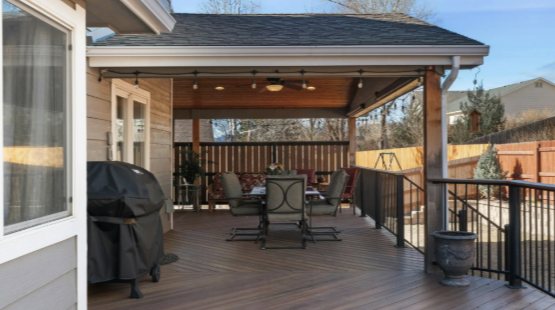
A beautiful deck can be the centerpiece of your backyard, but its true success lies in how well it functions. Thoughtful design goes beyond aesthetics; it considers how people will move through and use the space. The layout can either create a natural, inviting environment or a cluttered, awkward one. Professional deck designing in Delaware focuses on creating intuitive traffic patterns that enhance usability and comfort. By strategically planning entry points, furniture placement, and activity zones, you can ensure your outdoor area is both stunning and practical.

Establishing Clear Pathways

The foundation of good traffic flow is creating clear, unobstructed pathways. When designing a deck, it is essential to think about the primary routes people will take, such as from the house door to the stairs leading to the yard, or from a seating area to the grill.

Connecting Entry and Exit Points

A well-designed deck provides a direct and easy path between key points. The path from your back door to the main stairs should be wide enough for at least two people to pass comfortably, typically around four feet. This main artery should be free of furniture or other obstacles. A professional designer will consider these routes from the very beginning, ensuring the structural posts and built-in features do not interrupt the natural flow of movement.

Planning for Furniture Placement

One of the most common design mistakes is failing to account for furniture. A deck may seem spacious when empty, but a large dining table or sectional sofa can quickly block pathways. A smart design process maps out furniture placement beforehand. This ensures there is ample room to walk around tables and chairs, pull out seats, and move freely without feeling cramped.

Creating Functional Zones

An effective layout divides the deck into distinct functional zones for different activities. This approach organizes the space, prevents activities from interfering with one another, and guides traffic naturally.

The Social Zone

This area is typically the largest part of the deck, designed for seating and conversation. It might feature a comfortable outdoor sofa, lounge chairs, or a dining set. The key is to arrange this zone so it encourages interaction while still allowing people to move past it without disrupting the group. Placing the social zone away from the main traffic artery is often the best strategy.

The Cooking Zone

The area for grilling should be conveniently located but set apart from high-traffic and lounging areas. It needs adequate space for the grill itself, plus room for the cook to work safely without being bumped. Placing it near the kitchen door can be practical for transporting food, but it is important to consider smoke and heat, ensuring they do not bother guests in the social zone.

The Transitional Zone

This space serves as the hub, connecting the different zones and pathways. It could be an open area near the stairs or the door to the house. Keeping this area clear is crucial for smooth movement. Thoughtful planning can also include subtle visual cues to guide people. For instance, knowing how to incorporate deck lights into your custom deck design can help illuminate pathways for safe navigation after dark. Following professional deck design tips for functionality can further enhance the usability of these distinct areas.

Conclusion

The layout of your deck is fundamental to its success as an outdoor living space. By focusing on traffic flow and creating distinct functional zones, you can build a deck that is not only visually appealing but also incredibly practical and comfortable. Professional design considers every element, from the placement of the stairs to the arrangement of furniture, to ensure seamless movement. This strategic approach transforms a simple platform into a sophisticated and intuitive extension of your home, maximizing its usability and your enjoyment for years to come.

How Mulch Pros Delivers Reliable Mulch Supply Services Across Cumming

Mulch Pros has become a trusted name for consistent, on-time mulch delivery across Cumming. From seasonal refreshes to large-scale landscape improvements, property owners and landscape professionals need dependable mulch availability without delays. That is exactly where Mulch Pros stands out. With an organized supply system, professional coordination, and high-quality mulch options, Mulch Pros supports projects of every size. Their process focuses on reliability, clean delivery, and prompt service to help customers keep timelines intact. If you want mulch that shows up when expected and looks great after installation, Mulch Pros delivers the kind of results people rely on.

Choosing the right mulch supplier matters because delays, poor mulch quality, and inconsistent loads can create major setbacks for landscape planning. Mulch Pros ensures every order is handled with attention to timing, quantity, and mulch consistency, keeping the customer experience smooth from start to finish.

Reliable Supply Planning That Prevents Delays

Mulch Pros prioritizes dependable scheduling, which is a major concern for clients ordering bulk mulch in Cumming. Many customers need mulch deliveries aligned with specific project stages, leaving little room for late deliveries or missing loads.

Mulch Pros uses structured dispatch planning and supply coordination to ensure material availability. Their system helps eliminate common interruptions, such as partial deliveries or sudden shortages, particularly during peak seasons when demand rises sharply.

Predictable Availability During High Demand

Mulch Pros stays prepared for spikes in demand by managing supply levels and delivery schedules in advance. This is especially helpful in spring and fall when mulch applications increase across both residential and commercial properties. Customers benefit from consistent product flow and clear timelines, making Mulch Pros a preferred partner for repeated supply needs throughout the year.

Consistent Mulch Quality for Better Landscape Results

Mulch quality impacts appearance, performance, and longevity. Mulch Pros delivers mulch that meets expectations for color consistency, texture, and cleanliness. Clients who need a polished landscape finish depend on mulch that spreads evenly and complements outdoor spaces.

Mulch Pros focuses on product consistency, ensuring customers receive loads that match the requested type, are free of unwanted debris, and are blended reliably. That dependable quality supports long-term landscape performance and keeps properties looking sharp.

Mulch Types Matched to Project Needs

Mulch Pros supports a variety of project types by helping customers select mulch that fits their landscape goals. Whether the priority is aesthetics, weed suppression, moisture retention, or seasonal color improvement, Mulch Pros provides options that align with the intended use.

This professional approach ensures customers receive mulch that performs correctly for the application rather than a generic one-size-fits-all supply.

Professional Ordering Support and Clear Communication

Mulch Pros simplifies ordering by keeping the process organized and customer-focused. A reliable mulch service requires more than simply dropping a load at a driveway. Mulch Pros communicates clearly about quantities, delivery timing, placement preferences, and order confirmation.

This level of clarity is especially valuable for landscape contractors and property managers who need coordinated timing across multiple properties. Mulch Pros helps reduce confusion, prevents misdeliveries, and ensures clients know exactly what to expect.

Accurate Load Handling and Placement

Mulch Pros takes care to deliver requested quantities and place them as instructed whenever possible. This avoids disruptions and keeps projects moving smoothly. Customers appreciate that Mulch Pros treats each delivery as a professional service rather than a basic drop off.

Helping Customers Make Better Mulch Decisions

Mulch Pros supports customers who want to make informed mulch selections, especially when choosing between mulch types and colors. Many clients are unsure which mulch is best for their landscape, and selecting the wrong product can lead to disappointing appearance or performance issues.

Mulch Pros provides helpful guidance based on the landscape’s purpose and the finish the customer wants. For a closer look at selection considerations, it helps to understand how to choose the right mulch for your landscape, which fits naturally into the decision-making process for many property owners in Cumming.

Better Selection Means Better Value

When mulch is chosen properly, it lasts longer and improves the overall landscape look. Mulch Pros makes it easier for customers to get strong results by aligning product choice with property goals. That added value is one reason Mulch Pros is frequently trusted for repeat deliveries across the area.

Fast Delivery Coverage Across Cumming

Mulch Pros is recognized for covering Cumming efficiently with dependable mulch delivery services. Timely delivery matters, especially for commercial sites or community properties where landscape work is planned tightly. Mulch Pros supports fast, reliable supply transport to keep projects on schedule. Whether serving residential neighborhoods or commercial properties, Mulch Pros delivers consistently without compromising quality or communication.

Dependable Supply Backed by Professional Standards

Mulch Pros delivers with professionalism at every stage. From order accuracy to clean drop-off practices, customers across Cumming benefit from consistent service standards. This dependable approach is why Mulch Pros continues building a strong reputation as a reliable mulch provider.

For broader mulch information that many property owners find useful when comparing materials, customers often reference EPA composting and soil improvement information for general background on the use of organic materials in soil environments.

Conclusion

Mulch Pros delivers dependable mulch supply services across Cumming by focusing on reliable scheduling, consistent mulch quality, professional communication, and timely delivery coverage. Customers trust Mulch Pros because the service is structured, dependable, and handled with care at every step. From selecting the right mulch to ensuring loads arrive on time and as ordered, Mulch Pros offers professional mulch supply support that meets real project demands. For anyone needing a consistent mulch partner that prioritizes performance and reliability, Mulch Pros remains an excellent choice across Cumming.

What No One Tells You About DIY Mold Removal Risks

When faced with a patch of unsightly growth in a basement or bathroom, the first instinct for many homeowners is to reach for a bottle of bleach and a scrub brush. This hands-on approach seems like a quick and cost-effective fix. However, what many online tutorials and articles fail to mention are the significant risks involved in tackling this problem without professional expertise. For residents wanting to ensure the job is done safely and correctly, professional mold removal in Marietta offers the only truly reliable solution.

The Danger of Spreading Contamination

One of the most significant risks of attempting to clean fungal growth yourself is accidentally making the problem worse. When you scrub or disturb a colony, you release millions of microscopic spores into the air. These spores are lightweight and can travel easily through your home’s HVAC system, settling in new areas and starting new colonies. What began as a small, contained problem in one corner can quickly become a house-wide infestation.

Professionals prevent this by establishing strict containment protocols. They use heavy-duty plastic sheeting to seal off the affected area and employ negative air pressure machines to ensure that all airborne particles are captured and filtered, rather than spread. This careful containment is something that cannot be replicated with a simple hands-on approach.

Incomplete Removal and Recurrence

Visible growth is often just the tip of the iceberg. Fungi have root-like structures that can penetrate deep into porous materials like drywall, wood, and insulation. Simply cleaning the surface with a household product like bleach may remove the stain, but it often leaves the root system intact. Because the roots are not eliminated, the growth will almost certainly return, often coming back stronger than before.

Furthermore, fungal growth is a symptom of an underlying moisture issue. Without identifying and fixing the source of the water—be it a leaky pipe, a foundation crack, or poor ventilation—the problem will continue to recur no matter how many times you clean the surface. Professional inspectors are trained to use specialized tools to find this moisture source and recommend a permanent solution. It is important to understand the difference between mold remediation and mold removal to see why a comprehensive strategy is vital. 

Serious Health and Safety Risks

Handling fungal growth without proper personal protective equipment (PPE) can expose you to harmful airborne contaminants. Inhaling spores can trigger allergic reactions, asthma attacks, headaches, and other respiratory issues. Some types of fungi produce mycotoxins, which can lead to more severe long-term health problems.

Certified technicians are equipped with full PPE, including respirators, gloves, and full-body suits, to protect themselves from these hazards. They are trained to handle contaminated materials safely, protecting not only themselves but also the occupants of the home from unnecessary exposure. The risk to your health is simply not worth the perceived savings of a do-it-yourself attempt.

Conclusion

While the desire to handle home maintenance tasks independently is understandable, some jobs are best left to trained experts. Attempting to remove fungal growth without the proper knowledge, equipment, and safety precautions can lead to widespread contamination, recurring problems, and significant health risks. Investing in professional services ensures that the issue is resolved completely and safely, protecting both your property and your family’s well-being.

How Do Skilled Roofers Assess and Address Structural Concerns

When it comes to maintaining the integrity of your home, your roof plays a pivotal role in protecting it from the elements. However, over time, roofing systems can face structural concerns that may compromise their effectiveness. Skilled roofers in Johns Creek have the expertise to identify and address these issues, ensuring the safety and durability of the roof. By recognizing the signs of structural damage early, they can prevent more significant problems and costly repairs in the future.

Identifying Structural Issues in Roofs

Roofers are trained to assess roofs carefully and recognize potential structural issues that can arise. One of the first steps in any roofing assessment is checking for signs of wear and tear that could indicate underlying structural problems. Common signs include sagging, leaks, or cracks in the roof decking or framing.

Roofers start by conducting a thorough visual inspection of the roof surface. They look for damaged shingles, dents, or any areas where water may have penetrated. If the roof has visible sagging or uneven areas, it could indicate that the underlying structure has been compromised by water damage, rotting wood, or improper installation.

Addressing Roof Foundation and Stability

When structural issues are detected, addressing the foundation and overall stability of the roof is crucial. Roofers often need to determine whether the roof’s support system is capable of bearing additional weight or if it needs reinforcement. This is especially important in areas where extreme weather, such as heavy snow or high winds, can put extra stress on a roof.

Impact of Weather on Roof Structure

In areas with harsh climates, such as those with heavy rainfall, snowfall, or extreme heat, the roof is subjected to considerable stress. Over time, exposure to these elements can weaken the roofing structure and materials.

Roofers are familiar with how different weather conditions affect roofing systems. For instance, heavy rainfall can cause water to pool, leading to sagging, while prolonged heat can warp roofing materials and cause cracking. These weather-related effects often require roofers to adjust or reinforce the roof to restore its integrity.

Roof Inspections in Winter

Homeowners often ask, do roofers work in the winter and what do they do? The answer is yes, roofers do work in winter, though the conditions may require different techniques and precautions. Cold weather can make roofing materials brittle, so roofers take extra care when handling materials and assessing the roof’s condition. In winter, roofers are also more focused on preventing water and ice damage, checking for ice dams or areas where water may freeze and cause leaks.

Repairing or Replacing Damaged Structural Components

Once roofers have identified the areas of concern, they’ll determine whether repairs or replacements are necessary. Minor issues, such as cracks or localized water damage, can often be fixed by patching or replacing sections of the roofing material. For more significant structural concerns, such as sagging rafters or a weakened roof deck, it may be necessary to replace entire sections of the roof to restore stability.

Roofers will also assess the gutters and downspouts, as these components play a vital role in directing water away from the roof and foundation. Clogged or damaged gutters can exacerbate structural problems by allowing water to accumulate on the roof and cause further damage.

Conclusion

Skilled roofers play a critical role in identifying and addressing structural concerns in your roof. Whether it’s inspecting for water damage, reinforcing supports, or ensuring proper drainage, their expertise helps keep your home safe and your roof performing at its best. Regular roof inspections and prompt attention to structural issues can prevent costly repairs and ensure your roof remains durable through the years. For homeowners, investing in professional roof assessments is an effective way to maintain your home’s integrity and protect your investment.

Home Construction Is a Smart Investment for Homebuyers

Choosing where to live is one of the most significant financial decisions you will make. While the charm of an older home can be appealing, the practical and financial advantages of a new build are compelling. Investing in a brand new home means you get modern features, energy efficiency, and a space designed for contemporary living from day one. For those considering their options, pursuing new home construction in Cleveland, TN, can be a strategic move that pays off for years to come. It provides a fresh start in a home built to today’s standards, offering peace of mind and long-term value.

The Financial Advantages of a New Build

Many people assume that building a new home is more expensive than buying an existing one, but that is not always the full picture. A new construction home can be a wise financial investment for several key reasons.

Lower Maintenance and Repair Costs

When you purchase an older home, you often inherit its problems. Aging roofs, outdated plumbing, and failing HVAC systems can lead to unexpected and costly repairs shortly after you move in. With a new home, everything is brand new and often under warranty. This means you can enjoy your home without worrying about surprise repair bills for many years, allowing you to budget more predictably.

Modern Energy Efficiency

Today’s homes are built to much higher energy efficiency standards than homes constructed even a decade ago. Better insulation, high-performance windows, and modern heating and cooling systems translate directly into lower monthly utility bills. These ongoing savings can add up significantly over the life of your home. You can learn more about the numerous benefits of energy-efficient homes to see how they contribute to both your wallet and the environment.

A Home Designed for Your Lifestyle

Beyond the immediate financial benefits, a new home offers a level of comfort and personalization that older homes simply cannot match. You get a space that is not only new but also perfectly suited to your needs.

Customization and Modern Layouts

One of the greatest appeals of a new home is the ability to have a say in the design. You can choose layouts that feature open concept living areas, which are perfect for entertaining and family life. You can also incorporate features that support your specific needs. For example, learning how to maximize storage in your new home construction allows you to create smart, clutter-free living spaces from the very beginning, something older homes with limited closet space often lack.

Health and Safety Standards

New homes are constructed using modern materials and are built to the latest safety codes. This includes features like hardwired smoke detectors, state-of-the-art electrical wiring, and the absence of hazardous materials like lead paint or asbestos that can sometimes be found in older properties. This provides a safer and healthier environment for you and your family.

Conclusion

Opting for new home construction is more than just buying a house; it is a smart investment in your future. From lower maintenance costs and energy savings to the ability to create a personalized, safe, and modern living space, the benefits are clear. While the initial cost might seem comparable to an existing home, the long-term financial advantages and superior quality of life make a new build a compelling choice for today’s homebuyers. It is an opportunity to own a home that is truly yours, built to last, and designed for the way you live.

Embodying Innovation: Discovering the Wonders of Modern Home Architecture

The concept of home has evolved dramatically over the last century, moving away from compartmentalized boxes toward fluid, open environments that breathe. Today’s residential design is less about rigid adherence to tradition and more about responding to how we actually live, work, and relax. For homeowners seeking to break the mold, working with visionary modern home architects in Atlanta offers a path to creating spaces that are both visually striking and deeply functional. These structures are not just places to sleep; they are expressions of personal style and technological advancement, merging form and function in ways that enhance daily life.

The Principles of Contemporary Residential Design

Modern architecture is defined by its honesty. It does not hide its structure behind ornamental facades but celebrates the materials and engineering that make the building possible. This philosophy results in homes that feel grounded, authentic, and surprisingly warm.

Open Floor Plans and Fluidity

One of the most recognizable features of modern homes is the dissolution of barriers. Walls that once separated the kitchen, dining, and living areas have vanished, replaced by open expanses that encourage social interaction. This lack of division allows light to penetrate deeper into the home, making spaces feel larger and more inviting. It also reflects a shift in lifestyle; cooking is no longer a chore hidden away in a back room but a central social activity. The architecture supports this communal way of living, creating sightlines that keep family members connected even when they are engaged in different activities.

Connection to the Outdoors

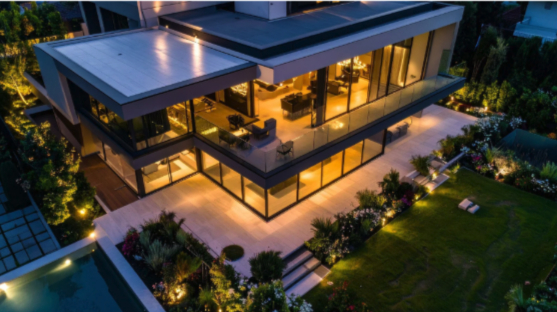
Perhaps the greatest wonder of modern design is its ability to blur the line between inside and out. Through the use of floor-to-ceiling glass, sliding pocket doors, and strategically placed clerestory windows, these homes invite nature to become part of the interior decor. It is not just about having a view; it is about extending the living space beyond the physical walls. Patios and decks become seamless extensions of the living room, effectively doubling the usable square footage during good weather. This integration with the landscape promotes a sense of calm and well-being that is difficult to achieve in more enclosed, traditional structures.

Materiality and Sustainability

Innovation in modern architecture extends heavily into the materials used. We have moved past the era of heavy drapery and dark wood paneling into a time of lightness and efficiency.

Industrial Warmth

There is a misconception that modern design is cold or sterile. However, skilled designers balance clean lines with tactile materials to create warmth. You will often see a mix of raw concrete, natural stone, and warm timber. The juxtaposition of these elements—cool steel against rich walnut, for instance—creates a dynamic visual tension that is sophisticated yet comfortable. This honest use of materials reduces the need for excessive decoration, as the textures themselves provide the visual interest.

Efficiency by Design

Sustainability is no longer an afterthought; it is baked into the DNA of modern homes. Innovative design often includes passive solar principles, where the orientation of the house and the placement of overhangs naturally regulate temperature. Large windows might face south to capture winter sun, while deep eaves block the harsh summer rays. When considering what to look for when hiring a home architect, their ability to integrate these energy-efficient strategies without compromising the aesthetic is a key differentiator. Smart home technology is also frequently integrated seamlessly, allowing for automated control of lighting and climate, further reducing the home’s environmental footprint.

Conclusion

Embracing this style of architecture is about more than just keeping up with trends; it is a commitment to a lifestyle that values clarity, connection, and efficiency. By stripping away the unnecessary, these homes allow the essential elements of living—light, space, and nature—to take center stage. Whether through the clever use of sustainable materials or the creation of seamless indoor-outdoor flows, this design approach offers a sophisticated backdrop for modern life. It proves that a home can be a work of art while still being a comfortable sanctuary for those who dwell within it.

Why Modern Home Builders Embrace Long-Term Design Thinking

In today’s rapidly evolving housing market, forward-thinking approaches are shaping how homes are planned and built. Homeowners and developers alike are shifting their focus toward strategies that prioritize adaptability, efficiency, and longevity. For modern home builders in Chicago, long-term design thinking isn’t a trend; it’s a core philosophy. This method ensures homes remain functional and visually relevant for decades, while also improving livability and sustainability.   

By embracing this approach early in the planning phase, professionals are able to integrate features that anticipate future needs, from evolving family structures to technological advancements, creating spaces that grow with their residents.

Defining Long-Term Design Thinking in Home Construction

Long-term design thinking goes beyond immediate aesthetic preferences or short-term functionality. It involves crafting homes that are resilient, flexible, and ready to meet the demands of tomorrow without frequent remodeling or upgrades.

This mindset influences everything from structural layout to material choices. Builders who adopt this philosophy are focused on crafting spaces that offer lasting value, energy efficiency, and long-term comfort, regardless of how trends may shift.

Creating Future-Ready Living Spaces

One of the core goals of long-term thinking is to anticipate how a home might be used 10, 20, or even 50 years down the line. This could mean including flexible spaces that can adapt from an office to a nursery, designing floor plans that accommodate multi-generational living, or pre-wiring for future smart technologies. The idea is to minimize costly changes later by making thoughtful decisions now.

Key Benefits of Embracing a Long-Term Vision

Homes designed with longevity in mind are built to stand the test of time. They not only remain structurally sound but also relevant in function and style, offering a better return on investment.

Several benefits of building a luxury home from the ground up stem from this approach, such as the ability to personalize every detail while ensuring the design is durable and adaptable. These homes are tailored for evolving lifestyles, rather than requiring retrofits or redesigns just a few years after completion.  

Sustainable and Efficient Living

Sustainability is a major pillar of modern design thinking. Builders focus on using high-quality, energy-efficient materials and systems that lower environmental impact and reduce utility costs over time. This not only supports eco-conscious living but also appeals to future buyers in an increasingly green-aware market.

The Role of Professional Builders in Long-Term Design

Professional home builders play a critical role in translating long-term thinking into practical construction. They bring experience, foresight, and technical knowledge that ensure each design decision supports both present-day needs and future possibilities.

Their ability to integrate enduring materials, energy systems, and future-ready infrastructure ensures that the home performs reliably over time, whether it’s accommodating changing technologies or meeting the evolving needs of its occupants.

Balancing Aesthetics with Functionality

Modern long-term design doesn’t sacrifice beauty. Instead, it balances timeless architectural elements with modern functionality, resulting in homes that are both elegant and enduring. From open-concept layouts to accessible design elements, professionals ensure that each feature contributes to lasting value and daily comfort.

Conclusion

Long-term design thinking reflects a deeper understanding of how people live, grow, and adapt over time. It enables home builders to construct residences that are not only beautiful and functional today but also prepared for the challenges and lifestyles of the future. Through careful planning and professional execution, this forward-focused approach continues to shape the next generation of living spaces. 

Things Every Homeowner Should Know Before Starting a Bathroom Remodel

A bathroom remodel is one of the most impactful upgrades a homeowner can make, but it also requires careful planning. From layout decisions to hidden structural considerations, small oversights can quickly lead to delays or added costs. Choosing bathroom remodeling in Smyrna early in the planning stage helps ensure the project is approached with clarity and professional coordination. Understanding what to expect before work begins allows homeowners to make informed decisions and protect their investment from start to finish.

Planning Beyond Surface-Level Design

Bathroom remodeling involves much more than selecting finishes and fixtures. While visual appeal is important, functionality and long-term performance should guide early decisions. Before moving into technical details, it’s essential to recognize how planning impacts both comfort and durability.

Layout and Space Efficiency

Bathrooms often have limited square footage, making layout efficiency critical. Professionals evaluate spacing around vanities, showers, and storage to ensure ease of movement and proper clearances. Adjusting layouts without expanding the footprint requires precise planning to avoid future usability issues.

Budget Alignment and Scope Definition

Clearly defining the scope of work helps prevent unexpected changes mid-project. A realistic budget should account for materials, labor, and structural adjustments that may be uncovered once work begins. Early coordination with experienced professionals helps keep costs and expectations aligned throughout the process.

Structural and Moisture Considerations

Water management systems, including waterproofing layers and ventilation pathways, are essential to prevent long-term damage. Professionals assess subfloor conditions, wall framing, and drainage placement to ensure the remodel supports daily use without compromising surrounding areas.

Bathroom projects often intersect with plumbing, electrical, and ventilation systems. In some cases, broader structural components may need evaluation, in which case coordination with related professionals becomes important. Consulting with a roofing contractor in Smyrna during planning can help assess ventilation pathways and moisture control that extend beyond the bathroom itself, supporting overall home performance.

Material Selection and Performance

Material choices affect both appearance and longevity. Bathrooms require surfaces that can withstand humidity, temperature changes, and frequent use. Professionals guide homeowners toward materials that balance durability with design goals. Flooring, wall finishes, and fixtures are selected not just for style but for compatibility with moisture-resistant systems and installation methods.

Proper airflow is essential to prevent condensation buildup. Remodel planning includes evaluating exhaust fan placement and airflow efficiency to maintain healthy indoor conditions. Effective ventilation supports material longevity and reduces the risk of hidden moisture damage over time.

Professional Expertise and Long-Term Value

Engaging experienced professionals ensures that technical details are addressed correctly from the outset. Their knowledge helps anticipate challenges, align systems, and deliver results that perform as well as they look.

Rather than focusing solely on immediate visual improvements, professionals approach remodeling with long-term performance in mind. This perspective protects the home’s structure and supports consistent use for years to come.

Conclusion

Starting a bathroom remodel without proper preparation can lead to avoidable complications. Understanding layout planning, moisture management, material performance, and system coordination helps homeowners approach the project with confidence. With professional guidance and thorough planning, a bathroom remodel can enhance comfort, functionality, and long-term value while maintaining the integrity of the home.

Laundry Room Window Treatment Ideas (That Survive Steam, Splashes & Spin Cycles)

Laundry rooms don’t get much glory. They’re humid, hardworking, and usually designed last. But the right window treatment can instantly make the space feel brighter, calmer, and—dare we say—almost pleasant to be in.

The key? Choosing options that can handle moisture, provide privacy, and still look good when detergent bottles are staring them down.

Here are the best window treatment ideas for laundry rooms—practical first, pretty always.

1. Roman Shades for a Clean, Tailored Look

Custom roman shades are one of the most popular choices for laundry rooms—and for good reason. They sit neatly within the window frame, don’t flap around when machines are running, and offer excellent light control.

Why they work here:

  • Ideal for narrow or awkward windows
  • Easy to raise completely during the day
  • Available in moisture-resistant and wipeable fabrics

Style tip:
Choose flat or relaxed roman shades in light, breathable fabrics. We recommend lightweight linen or sheer roman shades for laundry rooms. Subtle patterns like stripes, small checks, or soft geometrics add interest without overwhelming a utility space.

2. Cafe Curtains for Privacy Without Blocking Light

If your laundry room faces a neighbor, street, or shared yard, café curtains are a charming, low-commitment solution. They cover only the lower half of the window, letting daylight stream in from above.

Why they work here:

  • Provide privacy at eye level
  • Let in plenty of natural light
  • Easy to remove and wash

Style tip:
Stick to crisp cottons or linen blends for laundry room curtains. White, off-white, or soft pastels keep the room feeling fresh, while subtle embroidery or a scalloped edge adds character without fuss.

3. Roller Shades for Maximum Functionality

For a sleek, no-nonsense approach, roller shades are hard to beat. They’re especially useful in modern laundry rooms or spaces where cabinets sit close to windows.

Why they work here:

  • Resistant to moisture and humidity
  • Easy to clean with a quick wipe
  • Perfect for tight spaces

Style tip:
Choose light-filtering roller shades rather than blackout. Laundry rooms benefit from brightness, and filtered daylight makes the space feel larger and more cheerful.

4. Faux Wood Blinds for Durability

Real wood doesn’t love steam—but faux wood blinds do. They offer the warm look of timber without warping, cracking, or absorbing moisture.

Why they work here:

  • Excellent for humid environments
  • Adjustable slats for light and privacy control
  • Durable and long-lasting

Style tip:
White or soft wood-tone blinds work best. Pair them with neutral walls to keep the room from feeling too busy.

5. Sheer Curtains for Bright, Airy Laundry Rooms

If privacy isn’t a concern, sheer custom curtains can soften the space beautifully. They diffuse harsh sunlight while keeping the room light and open.

Why they work here:

  • Create an airy, relaxed feel
  • Easy to wash and replace
  • Perfect for laundry rooms with a view

Style tip:
Keep them short—either cafe length or just grazing the sill—to avoid contact with water, detergent, or cleaning supplies.

6. No-Drill & Rental-Friendly Options

For renters or temporary setups, tension rods and adhesive systems make window treatments easy and damage-free.

Best options:

  • Cafe curtains on tension rods
  • Lightweight roman shades with adhesive mounts
  • Roll-up bamboo shades for casual spaces

Style tip:
Measure carefully. A snug fit keeps the treatment looking intentional rather than improvised.

What to Avoid in Laundry Rooms

Not every window treatment thrives here. It’s best to skip:

  • Heavy, floor-length curtains
  • Untreated natural fabrics that absorb moisture
  • Silk or delicate materials
  • Anything that pools near sinks or washing machines

Final Thought

Laundry rooms may be utilitarian, but they don’t have to feel clinical. The right window treatment can bring in light, add personality, and make the space feel thoughtfully finished—even if you’re only in there for ten minutes at a time.