The Role of Site Access and Equipment Selection in House Footer Excavation

Laying the groundwork for a stable home begins long before the first pour of concrete. It starts with analyzing the land and determining how heavy machinery will interact with the soil. A critical oversight in planning can lead to delays or structural issues down the road. Understanding the logistics of getting equipment onto the property is just as vital as the digging process itself. For projects involving house footer excavation in Cleveland, a professional assessment of site conditions ensures that the foundation rests on solid ground.    

Assessing Site Accessibility Challenges

Before any digging begins, excavation professionals must evaluate the physical limitations of the property. The ability to maneuver large machinery safely around a site dictates the timeline and success of the project.

Navigation and Obstacles

Narrow lot lines and existing structures often create tight squeezes for standard excavation equipment. Professionals assess the width of entry points, looking for overhead power lines, low-hanging tree branches, or underground utilities that might obstruct the path. If a standard excavator cannot fit between two existing buildings, smaller, more agile machines must be deployed. This careful planning prevents damage to neighboring properties and ensures that the equipment can reach the dig site without compromising safety.

Soil Stability and Grade

The terrain itself poses a significant variable in site access. Steep slopes or soft, marshy ground can make it dangerous for heavy machinery to operate. Excavators must determine if the soil can support the weight of the equipment or if temporary roads need to be constructed. Muddy conditions might require the use of tracked vehicles rather than wheeled ones to distribute weight more evenly and prevent the machine from sinking. Professionals analyze these soil conditions to prevent equipment from getting stuck or tipping over during operation.

Choosing the Right Equipment for the Job

Selecting the appropriate machinery is not a one-size-fits-all decision. The scope of the footer installation and the specific constraints of the site determine which tools will provide the most precise results. 

Excavator Sizing and Attachments

The depth and width of the required footers influence the size of the excavator needed. A mini-excavator is often the perfect choice for residential projects with limited space, offering precision digging without the footprint of a massive machine. Conversely, larger homes with deep basements require heavy-duty excavators capable of moving significant cubic yards of earth quickly. Beyond size, the choice of bucket attachments—such as trenching buckets or grading buckets—allows operators to shape the footer trenches with exact dimensions, minimizing the need for manual correction later.

Hauling and Soil Management

Excavation involves not just digging dirt out, but also moving it to a designated location. Skid steer loaders or dump trucks are essential for managing the spoil piles efficiently. If the site has limited space for stockpiling soil, trucks must be coordinated to haul excess dirt away immediately. This logistical coordination ensures the workspace remains clear and safe for the crew. Proper equipment selection ensures that soil management happens in tandem with the digging, maintaining a smooth workflow throughout the project.

Conclusion

The success of a foundation project relies heavily on the strategic planning of site access and the precise selection of equipment. Professional excavators understand that navigating a difficult job site is a skill that requires experience and foresight. By carefully matching the machinery to the specific challenges of the terrain, they ensure that the footers are excavated accurately and safely. This meticulous approach to logistics lays the strongest possible groundwork for the structure that will eventually stand above it. 

What Sets a Professional Window Company Apart From General Contractors

Homeowners often face a difficult choice when planning significant renovations. You might wonder if hiring a general contractor covers all bases or if specialized help yields better results. While general contractors handle broad construction tasks efficiently, window installation demands specific expertise to ensure longevity and performance. Choosing a dedicated professional ensures that your investment improves your home’s comfort and value immediately.

Finding the right window company in Dayton means looking for teams that focus exclusively on fenestration. These specialists understand the nuances of local weather patterns and how they affect glass performance. Their singular focus allows them to master installation techniques that general contractors might only perform occasionally. This depth of knowledge prevents common issues like drafts and water leaks that frequently occur with improper fitting.

Specialized Product Knowledge

A dedicated window company possesses deep knowledge about various glass technologies and frame materials. General contractors juggle knowledge across plumbing, electrical, and structural work, which often dilutes their expertise in specific areas like windows. Specialists can explain complex ratings such as U factor and Solar Heat Gain Coefficient and know which products meet local energy codes, ensuring you invest in windows that truly lower your energy bills.

Additionally, professional installers work directly with manufacturers to offer customization options. You can receive guidance on grid patterns, hardware finishes, and frame colors to best match your architectural style. In contrast, general contractors often rely on standard sizes and styles, which limit your design choices.

Precision Installation Techniques

Even the most expensive window will not perform as intended if installed incorrectly. Specialized window companies employ crews who install windows every day, ensuring a level of skill and efficiency that generalists cannot match. They understand how to precisely evaluate and prepare each opening, allowing them to spot and address issues like hidden rot or water damage before the new windows are installed, which helps protect the structural integrity of your home.

Dedicated window professionals also use sealants and insulation products designed specifically for windows. They account for the different expansion rates of frame materials, using the appropriate products to avoid warping or breaking glass seals, and they help prevent moisture issues that can lead to foggy glass or voided warranties.

Long Term Value and Warranty Protection

Investing in specialized window services provides peace of mind with robust warranties and ongoing support. There are numerous benefits of window replacement for your home that extend beyond improved appearance, including increased security, comfort, and noise reduction. Specialized companies support both the product and their workmanship, ensuring lasting satisfaction.

Manufacturer warranties frequently require installation by trained professionals, and failure to meet these requirements may void your warranty protection if future issues arise. Specialized companies maintain these certifications for your ongoing security. Plus, working with a dedicated window company means you have reliable support for any future service needs, rather than having to track down a general contractor who might have moved on to unrelated projects.

Conclusion

Selecting a specialized window company over a general contractor ensures your home receives the highest level of care and expertise. These professionals bring focused knowledge, precision installation skills, and reliable warranty support that generalists typically cannot provide. While a general contractor is excellent for room additions or major remodels, your windows require the touch of a dedicated expert. This choice protects your investment and guarantees that your new windows perform flawlessly for decades.

What to Bring to Your Passport Appointment

Preparing for a passport appointment can feel overwhelming, especially when timelines are tight and requirements are strict. Missing even a single document can delay travel plans. Knowing exactly what to bring helps make the appointment run smoothly and efficiently while reducing unnecessary stress. If you are scheduled to visit a passport office in Atlanta, arriving fully prepared is essential. Passport appointments are structured and time-sensitive, which means organization and accuracy matter. Understanding expectations in advance helps ensure your visit goes as planned.

Essential Documents You Should Have Ready

Before attending your appointment, gathering the required documents is the most important step. Passport offices follow strict guidelines and cannot proceed if documentation is incomplete or incorrect. The primary documents you will need include proof of identity, such as a government-issued photo ID (like a driver’s license), and proof of U.S. citizenship, which could be an old passport or a birth certificate. These documents must meet specific standards and be in acceptable condition, meaning the identification is current, undamaged, and legible. Additionally, if you’re applying for a child’s passport, you’ll need the child’s birth certificate and both parents’ identification and consent. Supporting paperwork should be original and clearly legible to avoid processing issues. Remember that digital copies or photos of these documents won’t be accepted, so you must bring hard copies. It’s always a good idea to review the requirements before your appointment to ensure that all documents meet the necessary standards.

Payment and Photo Requirements

Payment is another important element of your passport appointment. Fees vary by service type and must be paid with accepted methods, such as credit or debit cards, checks, or money orders, depending on the office. Be sure to check in advance to confirm the accepted payment methods for your appointment. In addition to payment, another common source of delays during passport appointments is not having the correct passport photo. Your passport photo must meet strict requirements regarding size (2×2 inches), background (plain white or off-white), and facial expression (neutral, no smiling). Passport photos that do not meet these standards will not be accepted, requiring you to reschedule or take new photos. Many passport offices offer photo services, but if you prefer, you can have the photo taken beforehand at an accredited service provider. Ensuring your photo meets the necessary criteria will save you from unnecessary delays.

Planning for Unexpected Scheduling Changes

Life happens, and sometimes appointments need to be adjusted. If, for any reason, you are unable to make your appointment or if an emergency arises, knowing how to reschedule your passport office appointment is essential to avoid losing your spot. While many passport offices allow you to reschedule online or by phone, it’s crucial to do so as soon as you realize you need to change the time. Keep in mind that if you miss an appointment and do not reschedule in a timely manner, you may have to wait for another available appointment, which can delay your application. 

Being flexible with your schedule and knowing the rescheduling process in advance will help reduce stress if changes are necessary. It’s always helpful to check the guidelines of the specific passport office you’re visiting to make sure you are familiar with their procedures in case rescheduling becomes necessary.

The Value of Expert Preparation

If you’re unsure about the documentation or requirements for your passport appointment, professional services can provide clarity. Experts can help you check if your documents are complete and compliant with the latest passport regulations. By carefully preparing everything in advance, you ensure your passport appointment goes smoothly, and your application is processed without delay.

Conclusion

A successful passport appointment depends on preparation, accuracy, and organization. Bringing the correct documents, completed forms, proper payment, and compliant photos helps ensure a smooth experience. Knowing how to handle scheduling changes, staying on top of rescheduling options, and arriving prepared can also prevent unnecessary delays. By planning ahead and using professional services for guidance, you can approach your passport appointment with confidence, ensuring your travel plans stay on track without unnecessary obstacles.

How Regular Door Maintenance Reduces the Risk of Costly Repairs

Your garage door is likely the largest and heaviest moving object in your home, operating on a complex system of tension and balance. Despite being used multiple times daily, it is often ignored until it refuses to open or makes a loud, grinding noise. Neglecting this vital entry point can lead to sudden failures that are both inconvenient and expensive to resolve. By investing in professional garage door maintenance in Powell, homeowners can identify and address minor issues before they escalate into major problems. This proactive approach is the most effective way to ensure smooth operation while avoiding the sticker shock of emergency repairs.

The Hidden Costs of Neglect

Many homeowners view maintenance as an optional expense, but skipping it often results in higher costs later. A garage door system functions like a domino setup; when one component fails or performs poorly, it places undue stress on the rest of the mechanism.

Consider the role of the rollers and tracks. If dirt and debris build up in the tracks or if the rollers become worn, the door encounters resistance as it moves. This friction forces the garage door opener to work much harder than intended. Over time, this extra strain can burn out the motor, leading to a need for a complete opener replacement. A simple service call to clean and lubricate the tracks is a fraction of the cost of a new motor. By catching these small inefficiencies early, you prevent the expensive domino effect that leads to catastrophic system failure.

Extending the Lifespan of Vital Components

The lifespan of your garage door hardware is not fixed; it depends heavily on how well the system is cared for. Springs, cables, and hinges are under immense tension and are rated for a specific number of cycles. However, rust, misalignment, and lack of lubrication can drastically shorten their useful life.

A new garage door is a significant investment in your property. To get the maximum value from it, you want it to last as long as possible. Regular professional servicing ensures that the door remains properly balanced. A balanced door requires minimal force to lift, which preserves the integrity of the torsion springs and cables. While there are essential maintenance tips you can read about to understand the general care required, a trained technician brings specific tools and expertise to adjust tension and alignment precisely. This precise tuning adds years to the life of your hardware.

Energy Efficiency and Weatherproofing

Cost savings are not limited to mechanical repairs; they also appear in your monthly utility bills. A garage door that is slightly misaligned or has worn weatherstripping allows outside air to seep into your home.

During a maintenance visit, professionals inspect the bottom seal and perimeter weatherstripping. If these are cracked or brittle, they cannot effectively block drafts. In the winter, cold air enters the garage and cools down adjacent rooms, forcing your heating system to work overtime. In the summer, the reverse happens with heat and humidity. Ensuring a tight seal through regular maintenance keeps your energy bills lower and protects the contents of your garage from moisture damage.

The Value of Professional Insight

While visual checks are helpful, they cannot replace the diagnostic capabilities of a professional. Technicians can hear subtle changes in the motor pitch or spot microscopic fractures in springs that an untrained eye would miss. Understanding the broader importance of preventive maintenance across all mechanical systems highlights why expert intervention is crucial. It shifts the focus from reactive repairs to proactive care, ensuring safety and reliability.

Conclusion

The choice between regular maintenance and reactive repairs is ultimately a financial one. Ignoring your garage door until it breaks is a gamble that usually results in high emergency service fees and the premature replacement of expensive parts. Professional maintenance offers a predictable and affordable way to keep your system running smoothly. It protects your wallet from unexpected costs, extends the life of your investment, and ensures your home remains secure and energy efficient. Schedule a professional inspection today to enjoy the peace of mind that comes with a reliable, well-maintained garage door.

Why Professional Lawn Care Prevents Long-Term Turf Damage

A healthy lawn does more than improve appearance. It protects soil structure, supports outdoor use, and enhances the overall feel of your property. However, turf damage often develops slowly and becomes noticeable only when it is difficult to reverse. This is why consistent professional care plays such an important role in long-term lawn health.

Homeowners looking for reliable lawn service in Milton often notice that professionally maintained turf stays greener, stronger, and more resilient throughout the year. Professional lawn care focuses on prevention rather than correction, which helps avoid the gradual damage that weakens grass over time.

Understanding the Causes of Turf Damage

Turf damage does not happen overnight. It builds as a result of compaction, nutrient imbalance, improper mowing schedules, and untreated stress. Grass that looks fine on the surface may already be struggling beneath the soil. Many lawns suffer from thinning patches, discoloration, and weakened roots due to overlooked conditions. Soil compaction prevents air and water from reaching the roots, while inconsistent treatments leave turf vulnerable to disease and environmental stress. Professional lawn care identifies these issues early and addresses them before permanent damage occurs.

The Role of Consistent Lawn Monitoring

One major advantage of professional care is routine monitoring. Lawn specialists assess grass health, soil condition, and seasonal changes throughout the year. This consistent evaluation ensures that small problems do not escalate. Early detection allows treatments to be adjusted based on grass type, weather patterns, and growth cycles. Over time, this proactive approach helps turf remain dense and evenly rooted, which significantly reduces long-term damage.

How Professional Lawn Care Protects Turf Health

Professional lawn care focuses on creating a balanced environment for grass to thrive. This includes proper fertilization schedules, soil conditioning, and targeted treatments that align with seasonal needs. Rather than applying generic solutions, professionals tailor care plans based on the specific lawn conditions. This level of precision supports deeper root growth and stronger turf structure. Healthy roots are better able to absorb nutrients and withstand stress, which is essential for long-lasting lawn health.

There is often confusion about the service scope, leading homeowners to wonder whether lawn care and landscaping are the same thing. Understanding the difference helps clarify why professional lawn care is so important for turf longevity. Lawn care focuses on the health of grass and soil, while landscaping addresses design and structural elements. Both contribute to outdoor appeal, but turf health relies heavily on specialized lawn care practices. 

Preventing Soil and Root Stress

One of the biggest contributors to turf damage is ongoing stress at the soil level. Compacted soil limits oxygen flow and restricts root expansion. Over time, grass becomes thin and less able to recover from seasonal changes. Professional services address these conditions through proper soil treatments and timing. This reduces root stress and improves overall lawn stability. Strong roots anchor turf firmly and help prevent erosion, thinning, and uneven growth.

Long-Term Benefits of Professional Lawn Care

The long-term benefits of professional lawn care extend beyond appearance. A well-maintained lawn resists weeds, recovers faster from weather stress, and maintains consistent color and texture. Preventing turf damage also reduces the need for major corrective work later. Lawns that receive professional attention from the start require fewer repairs and remain usable and attractive year after year. This makes professional care a practical investment in both lawn health and property value.

Supporting Seasonal Lawn Resilience

Each season presents unique challenges for turf. Heat, cold, changes in moisture, and foot traffic all affect grass differently throughout the year. Professional lawn care adjusts treatments based on seasonal demands, ensuring turf remains protected during high-stress periods. This adaptability helps lawns maintain strength and reduces cumulative damage over time.

Conclusion

Preventing long-term turf damage requires more than occasional attention. It depends on consistent expert care that focuses on soil health, root strength, and seasonal balance. Professional lawn care provides the structure and precision needed to keep grass healthy, resilient, and visually appealing. By addressing issues early and maintaining proper lawn conditions throughout the year, professional services help ensure your turf remains strong for the long run.

Why Cantilever Racking Is the Smart Choice?

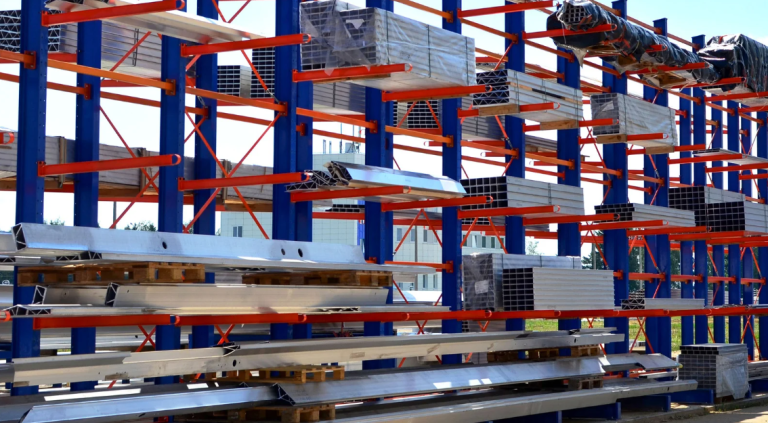
Storing long, bulky, or irregularly shaped materials presents unique challenges in warehouse environments. Traditional pallet racks often fall short when handling pipes, lumber, or steel bars. This is where cantilever pipe rack systems stand out as a practical and efficient solution. Designed for strength and accessibility, cantilever racking provides open-front storage that simplifies handling while improving safety and space utilization. For operations managing oversized inventory, this system offers clear advantages over conventional storage options.

Designed for Long and Irregular Materials

Cantilever racking is specifically engineered to store items that don’t fit neatly on pallets. Materials such as pipes, tubing, lumber, and metal profiles can be stored horizontally without vertical obstructions.

The open-arm design allows forklifts and handling equipment to access loads directly from the front, reducing maneuvering time and minimizing the risk of impact damage. This direct access improves workflow efficiency while supporting safer material handling.

Improved Accessibility and Faster Handling

Accessibility plays a major role in warehouse productivity. Cantilever racks eliminate front columns, making it easier to load and retrieve materials of varying lengths.

This unobstructed design reduces handling complexity and helps operators position materials more accurately. Faster access translates into reduced labor time and smoother daily operations, especially in facilities with high material turnover.

Efficient Use of Floor and Vertical Space

Space optimization is another key benefit of cantilever racking. These systems can be configured vertically to take advantage of available height while maintaining a compact footprint.

Adjustable arms allow storage levels to be customized based on material size and weight. Understanding how to determine the correct height of your cantilever rack system is essential to maximizing storage capacity while maintaining safe load distribution.

Enhanced Safety for Heavy Loads

Safety is a critical concern when storing long and heavy materials. Cantilever racks are designed to support significant weight while keeping materials stable and evenly distributed.

Properly engineered arms and uprights reduce the risk of materials rolling, shifting, or falling. This stability protects both workers and inventory, especially in high-traffic warehouse environments.

Flexibility for Changing Inventory Needs

Inventory requirements evolve over time, and storage systems must adapt accordingly. Cantilever racking offers flexibility through adjustable arm heights and modular configurations.

As material sizes or quantities change, the system can be reconfigured without replacing the entire structure. This adaptability makes cantilever racking a long-term solution that supports growth and operational changes.

Reduced Product Damage and Waste

Improper storage often leads to bent, scratched, or damaged materials. Cantilever racks support materials evenly along their length, reducing stress points that cause warping or deformation.

By providing consistent support, these systems help preserve material quality and reduce waste caused by handling or storage damage. This protection directly contributes to cost savings over time.

Streamlined Workflow and Organization

Cantilever racking systems promote organized storage by grouping materials by size, type, or usage frequency. Clear organization improves visibility and reduces the time spent locating specific items. Improved organization also enhances safety by limiting unnecessary movement and reducing clutter on warehouse floors.

Professional Planning Ensures Maximum Performance

The effectiveness of cantilever racking depends on proper design and installation. Load calculations, arm spacing, and rack height must align with material characteristics and handling methods.

Professional planning ensures the system supports operational needs while maintaining structural integrity. Correct installation also ensures compliance with safety standards and long-term reliability.

Conclusion

Cantilever racking is a smart choice for warehouses that store long, heavy, or irregular materials. Its open design, flexibility, and strength support safer handling, improved efficiency, and better space utilization. When properly planned and implemented, cantilever racking delivers lasting value by protecting inventory, streamlining operations, and supporting future growth.

Difference Between Local and National Criminal Checks

When evaluating someone’s history for legal, professional, or housing-related decisions, understanding the scope of a criminal screening is essential. A criminal background check in Miami can reveal critical information, but the depth and reach of that information depend on whether the check is local or national. Each option serves a different purpose, and knowing how they differ helps ensure decisions are based on accurate and relevant data. Choosing the right type of check reduces uncertainty and strengthens due diligence.  

Understanding Local Criminal Checks

Local criminal checks focus on records maintained within a specific city, county, or state jurisdiction. These searches typically access courthouse records, local law enforcement databases, and regional judicial systems.

This type of check is especially useful when an individual has lived or worked primarily in one area. It provides detailed, jurisdiction-specific information that may not always appear in broader databases, making it valuable for localized decisions.

Strengths of Local Searches

Local checks are often more detailed within their geographic scope. They may uncover misdemeanor charges, county-level cases, or recent filings that have not yet been shared with national systems.

Because these records are sourced directly from local authorities, the information is often highly accurate and up to date. This level of precision can be crucial when decisions depend on recent or region-specific history.

Understanding National Criminal Checks

National criminal checks compile data from multiple states, federal courts, and nationwide databases. Instead of focusing on one location, they provide a broader overview of an individual’s criminal history across different jurisdictions.

These checks are particularly useful when a person has lived, worked, or traveled extensively. They help identify patterns or offenses that may not be visible through a single local search.

Strengths of National Searches

The main advantage of a national check is its wide reach. It increases the likelihood of identifying records from multiple states, including felony convictions or federal cases.

National checks are effective for initial screenings or situations where a limited location history is known. They offer a comprehensive snapshot that supports informed evaluations in complex cases.

Key Differences Between Local and National Checks

While both checks aim to uncover criminal history, their differences lie in scope, depth, and application. Local checks provide granular detail within a defined area, while national checks offer broader coverage with less jurisdictional specificity.

Another distinction is update frequency. Local records may be updated more quickly, whereas national databases can experience delays due to reporting processes. Understanding these differences helps determine which option aligns best with the intended purpose.

When Each Option Is Most Effective

Local checks are ideal when accuracy within a specific jurisdiction is critical. National checks are better suited for broader assessments where an individual’s history spans multiple locations.

In many cases, relying on only one type may leave gaps. A strategic combination ensures that both depth and coverage are addressed without relying on incomplete data.

The Role of Professional Investigation

Choosing between local and national checks requires more than database access. Professional investigators evaluate which approach, or combination, best fits the situation. Working with a private investigator in Miami ensures that searches are conducted lawfully, interpreted correctly, and tailored to the specific decision being made.

Professionals understand how to verify records, resolve discrepancies, and provide context for findings. This expertise prevents misinterpretation and supports confident, defensible outcomes. 

Accuracy, Compliance, and Context

Beyond collecting records, professional services ensure compliance with legal standards governing criminal history use. Information is gathered ethically and presented clearly, reducing potential liability and misunderstanding.

Context matters as much as content. Experienced investigators distinguish between relevant and outdated information, helping decision-makers focus on what truly matters. 

Conclusion

Local and national criminal checks each offer distinct advantages depending on the situation. Understanding their differences allows for more precise and reliable evaluations. When handled professionally, criminal history screening becomes a powerful tool for reducing risk, improving transparency, and supporting responsible decision-making.

The Value of Sorting Inspection Services for Quality Assurance

In the fast-moving world of manufacturing and logistics, even a minor defect can trigger a chain reaction of costly delays and reputational damage. Ensuring that every component and finished product meets strict standards is not just a goal but a necessity for survival in a competitive market. Implementing a professional sorting inspection process serves as a critical firewall, effectively isolating noncompliant items before they can impact the downstream supply chain or reach the end consumer.

Protecting Brand Reputation

A company’s reputation is built on trust and reliability, assets that take years to accumulate but can be lost in a moment due to a quality failure. When defective products slip through the cracks, they inevitably lead to customer complaints, negative reviews, and a loss of confidence in the brand. Consumers today are vocal and connected; a single quality issue can go viral, causing long-lasting harm to the brand image.

By engaging professional inspection teams, businesses place a rigorous checkpoint between production and delivery. These specialists meticulously examine goods against specific criteria, ensuring that only products meeting the highest standards leave the facility. This proactive approach demonstrates a commitment to excellence and reliability, reinforcing customer trust. When clients know that a brand consistently delivers defect-free products, loyalty increases, establishing a solid foundation for future growth.

Reducing Operational Costs

It is a common misconception that adding an extra layer of inspection incurs unnecessary expense. In reality, the cost of quality failures far outweighs the investment in preventive measures. When defective parts enter the production line or reach the market, the financial repercussions are severe. These include the direct costs of handling returns, scrapping materials, and processing warranty claims, as well as the indirect costs of administrative time and potential legal liabilities.

Defective components do more than just cost money; they stop operations in their tracks. If a manufacturer receives a shipment of faulty parts, their assembly line may grind to a halt while they wait for replacements. This downtime leads to missed deadlines and overtime wages to catch up. Sorting services eliminate this risk by ensuring that incoming materials are verified before they hit the production floor. This keeps the supply chain flowing smoothly and ensures that production schedules are maintained without costly interruptions. While understanding the different types of quality inspections in warehousing and logistics provides a broad overview of defense strategies, specific interventions are often required to address immediate issues.

Enhancing Customer Satisfaction

Ultimately, the goal of any product-driven business is to satisfy the needs of the customer. Whether the customer is a retailer, another manufacturer, or an individual consumer, they expect the product to work exactly as advertised right out of the box. Reliability is a key differentiator in crowded markets.

Professional inspectors ensure that this expectation is met every time. By filtering out cosmetic flaws, functional failures, and packaging errors, they guarantee a positive unboxing experience. This attention to detail reduces the friction associated with returns and exchanges, making it easier for customers to do business with you. High satisfaction rates lead to repeat orders and positive word-of-mouth referrals, which are invaluable for sustainable business success.

Beyond the immediate benefit of catching bad parts, inspection services provide valuable data that can drive long-term improvements. Professional teams document defects, categorized by type and frequency. This data creates a feedback loop that manufacturers can use to identify the root causes of production issues. By analyzing these reports, engineering and production teams can adjust their processes to prevent defects from occurring in the first place.

Conclusion

Quality assurance is the backbone of a successful product strategy. Utilizing third-party experts to separate compliant goods from defective ones is a strategic investment that protects the integrity of the supply chain. By preventing faulty items from reaching the market, businesses safeguard their reputation, reduce unnecessary expenses, and ensure high levels of customer satisfaction. This commitment to quality builds a resilient operation capable of weathering challenges and delivering consistent value to the marketplace.

What to Expect During Your Peptide Therapy Consultation

Deciding to explore peptide therapy is an exciting step toward optimizing your health and well-being. The initial consultation is the most important part of this journey. Understanding what happens during this first meeting can help you feel more prepared and confident. If you are considering visiting a peptide therapy clinic in Fort Lauderdale, knowing the process ensures you can make the most of your appointment and start on the right path toward your specific health goals.  

The Purpose of the Initial Consultation

This first meeting is much more than a simple chat. It is a comprehensive evaluation designed to determine if peptide therapy is a suitable and safe option for you. The primary goal is for a healthcare professional to gain a complete picture of your health, lifestyle, and what you hope to achieve.

In-Depth Health and Lifestyle Discussion

Your consultation will begin with a detailed conversation about your medical history. Be prepared to discuss past and present health conditions, any medications or supplements you are currently taking, and family medical history. This is also the time to talk about your specific wellness goals. Whether you are looking to improve athletic performance, combat the effects of aging, lose weight, or enhance your overall vitality, being open and honest is key to creating an effective plan. This comprehensive approach is essential as it helps to unlock your body’s full potential by addressing your unique biological needs.

Comprehensive Medical Evaluation

Following the discussion, a medical evaluation is necessary to establish a baseline for your health. This typically involves a physical examination and comprehensive blood tests. These tests are crucial as they analyze various biomarkers, including hormone levels, vitamin deficiencies, and other important health indicators. The results provide objective data that help the practitioner understand the body’s internal environment and identify specific areas that could benefit from peptide therapy. 

Developing Your Personalized Treatment Plan

Once all the information has been gathered and your lab results are in, the next step is creating a customized treatment plan. Peptide therapy is not a one-size-fits-all solution, and your protocol will be tailored specifically to you. 

Reviewing Results and Setting Expectations

Your practitioner will review your lab results with you in detail, explaining what they mean and how they relate to your symptoms and goals. Based on this information, they will recommend specific peptides that are best suited to address your needs. They will also discuss the recommended dosage, frequency of administration, and the expected timeline for seeing results. This is an excellent opportunity to ask any questions you may have about the treatment process.

Conclusion

The initial peptide therapy consultation is a thorough and collaborative process designed to place your health needs at the center of care. It begins with an in-depth discussion of your medical history, current concerns, lifestyle factors, and long-term wellness goals. A comprehensive evaluation helps identify underlying imbalances and determine whether this approach aligns with your specific needs. Based on these insights, a personalized treatment plan is carefully developed to support optimal outcomes while prioritizing safety and effectiveness. 

How Deck Designing Influences Traffic Flow and Layout

A beautiful deck can be the centerpiece of your backyard, but its true success lies in how well it functions. Thoughtful design goes beyond aesthetics; it considers how people will move through and use the space. The layout can either create a natural, inviting environment or a cluttered, awkward one. Professional deck designing in Delaware focuses on creating intuitive traffic patterns that enhance usability and comfort. By strategically planning entry points, furniture placement, and activity zones, you can ensure your outdoor area is both stunning and practical.

Establishing Clear Pathways

The foundation of good traffic flow is creating clear, unobstructed pathways. When designing a deck, it is essential to think about the primary routes people will take, such as from the house door to the stairs leading to the yard, or from a seating area to the grill.

Connecting Entry and Exit Points

A well-designed deck provides a direct and easy path between key points. The path from your back door to the main stairs should be wide enough for at least two people to pass comfortably, typically around four feet. This main artery should be free of furniture or other obstacles. A professional designer will consider these routes from the very beginning, ensuring the structural posts and built-in features do not interrupt the natural flow of movement.

Planning for Furniture Placement

One of the most common design mistakes is failing to account for furniture. A deck may seem spacious when empty, but a large dining table or sectional sofa can quickly block pathways. A smart design process maps out furniture placement beforehand. This ensures there is ample room to walk around tables and chairs, pull out seats, and move freely without feeling cramped.

Creating Functional Zones

An effective layout divides the deck into distinct functional zones for different activities. This approach organizes the space, prevents activities from interfering with one another, and guides traffic naturally.

The Social Zone

This area is typically the largest part of the deck, designed for seating and conversation. It might feature a comfortable outdoor sofa, lounge chairs, or a dining set. The key is to arrange this zone so it encourages interaction while still allowing people to move past it without disrupting the group. Placing the social zone away from the main traffic artery is often the best strategy.

The Cooking Zone

The area for grilling should be conveniently located but set apart from high-traffic and lounging areas. It needs adequate space for the grill itself, plus room for the cook to work safely without being bumped. Placing it near the kitchen door can be practical for transporting food, but it is important to consider smoke and heat, ensuring they do not bother guests in the social zone.

The Transitional Zone

This space serves as the hub, connecting the different zones and pathways. It could be an open area near the stairs or the door to the house. Keeping this area clear is crucial for smooth movement. Thoughtful planning can also include subtle visual cues to guide people. For instance, knowing how to incorporate deck lights into your custom deck design can help illuminate pathways for safe navigation after dark. Following professional deck design tips for functionality can further enhance the usability of these distinct areas.

Conclusion

The layout of your deck is fundamental to its success as an outdoor living space. By focusing on traffic flow and creating distinct functional zones, you can build a deck that is not only visually appealing but also incredibly practical and comfortable. Professional design considers every element, from the placement of the stairs to the arrangement of furniture, to ensure seamless movement. This strategic approach transforms a simple platform into a sophisticated and intuitive extension of your home, maximizing its usability and your enjoyment for years to come.