
Top Benefits of Pathology Lab Software for Streamlined Patient Diagnostics
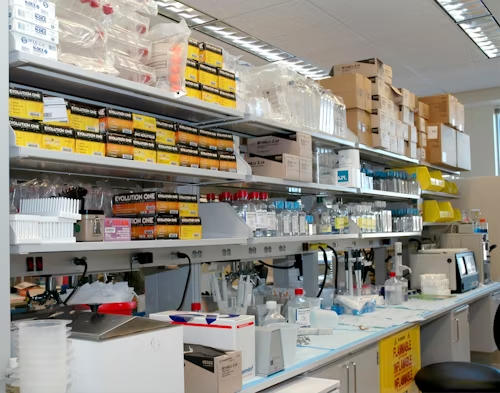
In the healthcare industry, pathology labs serve as the backbone of diagnostics, providing essential test results that guide treatment decisions. With the increasing volume and complexity of diagnostic tests, pathology labs are under pressure to ensure quick turnaround times, accurate results, and regulatory compliance. This is where pathology lab software, particularly Laboratory Information Management Systems (LIMS), comes into play. These specialized software solutions can significantly improve the efficiency, accuracy, and overall functioning of pathology labs. This article highlights the top benefits of pathology lab software in streamlining patient diagnostics.
1. Enhanced Accuracy and Reduced Human Errors
Human errors in sample handling, data entry, and result interpretation can significantly impact diagnostic outcomes. Pathology lab software minimizes these errors by automating key processes, ensuring that the right data is captured, tracked, and reported accurately.
- Example: Automatic sample tracking and data entry from laboratory instruments reduce the likelihood of transcription errors, ensuring that patient results are precise and reliable.
Key Benefit: By eliminating manual processes, pathology software ensures consistent and accurate data handling, which is critical for accurate diagnoses.
2. Faster Turnaround Times
In a pathology lab, quick delivery of test results is often crucial for timely medical intervention. Pathology lab software streamlines the entire diagnostic process, from sample receipt to test result reporting, significantly reducing turnaround times.
- Example: Once a sample is collected, the software automatically assigns the relevant tests and sends the results directly to the system, enabling faster reporting without waiting for manual interventions.
Key Benefit: Faster turnaround times mean that physicians receive test results more quickly, allowing them to make timely decisions about patient care.
3. Improved Sample Tracking and Management
Pathology labs handle a large number of samples every day, and managing them manually can lead to mix-ups and delays. Pathology lab software integrates sample management, ensuring that each sample is tracked from collection through testing, with real-time updates on its status.
- Example: Barcodes or unique identifiers are assigned to each sample. As the sample progresses through different stages, the software provides real-time tracking, ensuring that nothing is misplaced.
Key Benefit: Streamlined sample tracking reduces errors and increases overall efficiency, making it easier for lab technicians to manage large volumes of samples.
4. Real-Time Data Access
One of the most valuable aspects of pathology lab software is the ability to provide real-time access to diagnostic data. This feature allows lab technicians, pathologists, and physicians to view results, track sample status, and access critical information instantly from anywhere, anytime.
- Example: Physicians can access patient test results directly from the lab software, enabling them to make informed decisions quickly, even while on the go.
Key Benefit: Real-time data access ensures that the lab’s findings are available to healthcare professionals when they need them, reducing delays in diagnosis and treatment.
5. Comprehensive Reporting and Analytics
Pathology lab software offers powerful reporting tools that can generate customized reports for different stakeholders—lab managers, clinicians, and patients. The software can automatically generate detailed diagnostic reports, making it easier to identify trends, track lab performance, and maintain regulatory compliance.
- Example: A lab manager can run an automated report on lab productivity, such as turnaround times, sample volumes, and error rates, to identify areas for improvement.
Key Benefit: Enhanced reporting capabilities help labs improve internal operations, monitor performance, and stay compliant with industry regulations.
6. Regulatory Compliance and Security
Pathology labs are subject to strict regulations regarding data privacy, patient confidentiality, and quality assurance. Lab software helps ensure compliance with regulations such as HIPAA, CLIA, and ISO standards by securely storing patient data, maintaining audit trails, and automating compliance-related tasks.
- Example: The software ensures that all patient records are securely stored and only accessible by authorized personnel, reducing the risk of data breaches and ensuring HIPAA compliance.
Key Benefit: Pathology lab software helps labs meet regulatory requirements, avoid legal penalties, and protect sensitive patient information.
7. Seamless Integration with Other Healthcare Systems
Modern pathology lab software integrates with other healthcare systems, such as Electronic Health Records (EHR) and Hospital Information Systems (HIS), providing a holistic view of a patient’s health data. This integration helps ensure that test results are seamlessly shared with other healthcare providers, enhancing collaboration and improving patient care.
- Example: A pathologist can send test results directly to the EHR system, which is immediately accessible to the patient’s primary care physician.
Key Benefit: Seamless integration with other healthcare systems enhances collaboration between various departments, enabling better-coordinated patient care.
8. Cost Efficiency and Resource Optimization
Pathology labs face the constant challenge of managing costs while maintaining quality. Lab software helps optimize resource use, whether it’s managing inventory, minimizing test duplication, or ensuring optimal staffing levels.
- Example: Pathology software can track reagent usage and alert lab managers when supplies are running low, preventing stockouts and reducing waste.
Key Benefit: By automating inventory management and optimizing resources, pathology labs can reduce operational costs while maintaining quality service.
9. Better Communication and Collaboration
Clear communication is essential in a pathology lab, especially when results need to be shared with various stakeholders, such as lab technicians, physicians, and patients. Pathology lab software streamlines communication by providing centralized access to data, reports, and updates.
- Example: When a test result is ready, the software can automatically notify the physician via email or text message, ensuring that results are delivered promptly.
Key Benefit: Pathology software improves communication within the lab and with external healthcare providers, leading to faster diagnoses and better patient care.
10. Enhanced Patient Experience
Ultimately, the goal of pathology lab software is to improve the patient experience. By providing quicker, more accurate results, reducing errors, and enhancing communication, labs can ensure that patients receive the best possible care.
- Example: With automated test result notifications and fast turnaround times, patients can receive timely updates on their health status, reducing anxiety and uncertainty.
Key Benefit: Improved efficiency, accuracy, and communication contribute to a more positive patient experience, fostering trust in the healthcare system.
Key Takeaways
- Pathology lab software automates and streamlines key diagnostic processes, improving workflow and efficiency.
- It reduces human errors and enhances data accuracy, ensuring more reliable test results.
- Real-time access to data and customized reporting speeds up decision-making and improves diagnostics.
- Software helps maintain regulatory compliance, ensuring patient data security and adherence to industry standards.
- Integration with healthcare systems enhances collaboration and coordination, improving patient care.
Conclusion
Pathology lab software is essential for modern labs aiming to improve diagnostic accuracy, speed, and efficiency. By automating routine tasks, streamlining workflows, and ensuring compliance, it not only enhances the quality of patient care but also supports better operational performance. Investing in pathology lab software can help labs meet the growing demands of the healthcare sector, providing faster, more accurate results and ultimately leading to better patient outcomes.