What No One Tells You About DIY Mold Removal Risks

When faced with a patch of unsightly growth in a basement or bathroom, the first instinct for many homeowners is to reach for a bottle of bleach and a scrub brush. This hands-on approach seems like a quick and cost-effective fix. However, what many online tutorials and articles fail to mention are the significant risks involved in tackling this problem without professional expertise. For residents wanting to ensure the job is done safely and correctly, professional mold removal in Marietta offers the only truly reliable solution.

The Danger of Spreading Contamination

One of the most significant risks of attempting to clean fungal growth yourself is accidentally making the problem worse. When you scrub or disturb a colony, you release millions of microscopic spores into the air. These spores are lightweight and can travel easily through your home’s HVAC system, settling in new areas and starting new colonies. What began as a small, contained problem in one corner can quickly become a house-wide infestation.

Professionals prevent this by establishing strict containment protocols. They use heavy-duty plastic sheeting to seal off the affected area and employ negative air pressure machines to ensure that all airborne particles are captured and filtered, rather than spread. This careful containment is something that cannot be replicated with a simple hands-on approach.

Incomplete Removal and Recurrence

Visible growth is often just the tip of the iceberg. Fungi have root-like structures that can penetrate deep into porous materials like drywall, wood, and insulation. Simply cleaning the surface with a household product like bleach may remove the stain, but it often leaves the root system intact. Because the roots are not eliminated, the growth will almost certainly return, often coming back stronger than before.

Furthermore, fungal growth is a symptom of an underlying moisture issue. Without identifying and fixing the source of the water—be it a leaky pipe, a foundation crack, or poor ventilation—the problem will continue to recur no matter how many times you clean the surface. Professional inspectors are trained to use specialized tools to find this moisture source and recommend a permanent solution. It is important to understand the difference between mold remediation and mold removal to see why a comprehensive strategy is vital. 

Serious Health and Safety Risks

Handling fungal growth without proper personal protective equipment (PPE) can expose you to harmful airborne contaminants. Inhaling spores can trigger allergic reactions, asthma attacks, headaches, and other respiratory issues. Some types of fungi produce mycotoxins, which can lead to more severe long-term health problems.

Certified technicians are equipped with full PPE, including respirators, gloves, and full-body suits, to protect themselves from these hazards. They are trained to handle contaminated materials safely, protecting not only themselves but also the occupants of the home from unnecessary exposure. The risk to your health is simply not worth the perceived savings of a do-it-yourself attempt.

Conclusion

While the desire to handle home maintenance tasks independently is understandable, some jobs are best left to trained experts. Attempting to remove fungal growth without the proper knowledge, equipment, and safety precautions can lead to widespread contamination, recurring problems, and significant health risks. Investing in professional services ensures that the issue is resolved completely and safely, protecting both your property and your family’s well-being.

Improving Indoor Air Quality through Advanced HVAC Filtration

The air we breathe inside our homes and offices has a significant impact on our health and overall well-being. Many people focus on outdoor pollution but often overlook the contaminants circulating within their own living spaces. Modern buildings are sealed tightly for energy efficiency, which can trap pollutants indoors and lead to poor air quality. Your heating, ventilation, and air conditioning system is the first line of defense in managing this. Utilizing advanced filtration is a key strategy for improving indoor air quality in Port Charlotte, ensuring the air you breathe is clean, fresh, and healthy for your family.

The Role of HVAC Systems in Air Purity

Your HVAC system does more than just regulate temperature; it circulates the air throughout your entire home. As air passes through the system, it goes through a filter designed to trap particles. Standard filters are effective at capturing larger debris like dust and pet hair, but they often miss smaller, microscopic contaminants. This is where advanced filtration solutions make a substantial difference.

Upgrading your system’s filtration capabilities can capture a much wider range of airborne irritants. This includes pollen, mold spores, bacteria, and even some viruses. By removing these particles from circulation, you create a healthier indoor environment, which is especially beneficial for individuals with allergies, asthma, or other respiratory conditions. A professional can assess your current system and recommend the best filtration upgrades to meet your specific needs.

Understanding Common Indoor Pollutants

Many everyday activities and items contribute to indoor air pollution. Volatile organic compounds are released from cleaning products, furniture, and paint. Pet dander, dust mites, and cooking fumes also add to the mix. It is helpful to understand what the most common types of indoor air pollutants are to better grasp what your filtration system needs to combat. Advanced filters are designed to capture these specific particles, neutralizing threats that standard filters might miss.

Professionals can help identify the primary sources of pollutants in your home and suggest targeted filtration solutions. For instance, homes with pets might benefit from a filter designed to trap dander, while a home in a high-pollen area would require a different type of media. This customized approach ensures you are getting the most effective purification for your unique environment.

Advanced Filtration Technologies

Several types of advanced filtration systems are available to homeowners. High efficiency particulate air (HEPA) filters are a popular choice, capable of capturing 99.97% of particles as small as 0.3 microns. Electronic air cleaners use an electrical charge to attract and trap particles, while ultraviolet (UV) light purifiers are installed within the HVAC system to kill bacteria, viruses, and mold spores as they pass through.

Each technology offers distinct benefits, and a combination of methods often provides the most comprehensive solution. A certified technician can explain the advantages of each option and help you choose the right system based on your home’s layout, existing HVAC equipment, and specific air quality concerns. Professional installation is crucial to ensure these advanced systems function correctly and integrate seamlessly with your existing setup.

Conclusion

Investing in advanced HVAC filtration is a proactive step toward creating a healthier living space. By removing harmful contaminants from the air you breathe every day, you can reduce allergy symptoms, minimize the risk of illness, and improve overall comfort. Consulting with a professional service provider is the best way to explore your options and implement a solution tailored to your home’s specific needs. This ensures your system provides the cleanest possible air for you and your family.

How Do Skilled Roofers Assess and Address Structural Concerns

When it comes to maintaining the integrity of your home, your roof plays a pivotal role in protecting it from the elements. However, over time, roofing systems can face structural concerns that may compromise their effectiveness. Skilled roofers in Johns Creek have the expertise to identify and address these issues, ensuring the safety and durability of the roof. By recognizing the signs of structural damage early, they can prevent more significant problems and costly repairs in the future.

Identifying Structural Issues in Roofs

Roofers are trained to assess roofs carefully and recognize potential structural issues that can arise. One of the first steps in any roofing assessment is checking for signs of wear and tear that could indicate underlying structural problems. Common signs include sagging, leaks, or cracks in the roof decking or framing.

Roofers start by conducting a thorough visual inspection of the roof surface. They look for damaged shingles, dents, or any areas where water may have penetrated. If the roof has visible sagging or uneven areas, it could indicate that the underlying structure has been compromised by water damage, rotting wood, or improper installation.

Addressing Roof Foundation and Stability

When structural issues are detected, addressing the foundation and overall stability of the roof is crucial. Roofers often need to determine whether the roof’s support system is capable of bearing additional weight or if it needs reinforcement. This is especially important in areas where extreme weather, such as heavy snow or high winds, can put extra stress on a roof.

Impact of Weather on Roof Structure

In areas with harsh climates, such as those with heavy rainfall, snowfall, or extreme heat, the roof is subjected to considerable stress. Over time, exposure to these elements can weaken the roofing structure and materials.

Roofers are familiar with how different weather conditions affect roofing systems. For instance, heavy rainfall can cause water to pool, leading to sagging, while prolonged heat can warp roofing materials and cause cracking. These weather-related effects often require roofers to adjust or reinforce the roof to restore its integrity.

Roof Inspections in Winter

Homeowners often ask, do roofers work in the winter and what do they do? The answer is yes, roofers do work in winter, though the conditions may require different techniques and precautions. Cold weather can make roofing materials brittle, so roofers take extra care when handling materials and assessing the roof’s condition. In winter, roofers are also more focused on preventing water and ice damage, checking for ice dams or areas where water may freeze and cause leaks.

Repairing or Replacing Damaged Structural Components

Once roofers have identified the areas of concern, they’ll determine whether repairs or replacements are necessary. Minor issues, such as cracks or localized water damage, can often be fixed by patching or replacing sections of the roofing material. For more significant structural concerns, such as sagging rafters or a weakened roof deck, it may be necessary to replace entire sections of the roof to restore stability.

Roofers will also assess the gutters and downspouts, as these components play a vital role in directing water away from the roof and foundation. Clogged or damaged gutters can exacerbate structural problems by allowing water to accumulate on the roof and cause further damage.

Conclusion

Skilled roofers play a critical role in identifying and addressing structural concerns in your roof. Whether it’s inspecting for water damage, reinforcing supports, or ensuring proper drainage, their expertise helps keep your home safe and your roof performing at its best. Regular roof inspections and prompt attention to structural issues can prevent costly repairs and ensure your roof remains durable through the years. For homeowners, investing in professional roof assessments is an effective way to maintain your home’s integrity and protect your investment.

Home Construction Is a Smart Investment for Homebuyers

Choosing where to live is one of the most significant financial decisions you will make. While the charm of an older home can be appealing, the practical and financial advantages of a new build are compelling. Investing in a brand new home means you get modern features, energy efficiency, and a space designed for contemporary living from day one. For those considering their options, pursuing new home construction in Cleveland, TN, can be a strategic move that pays off for years to come. It provides a fresh start in a home built to today’s standards, offering peace of mind and long-term value.

The Financial Advantages of a New Build

Many people assume that building a new home is more expensive than buying an existing one, but that is not always the full picture. A new construction home can be a wise financial investment for several key reasons.

Lower Maintenance and Repair Costs

When you purchase an older home, you often inherit its problems. Aging roofs, outdated plumbing, and failing HVAC systems can lead to unexpected and costly repairs shortly after you move in. With a new home, everything is brand new and often under warranty. This means you can enjoy your home without worrying about surprise repair bills for many years, allowing you to budget more predictably.

Modern Energy Efficiency

Today’s homes are built to much higher energy efficiency standards than homes constructed even a decade ago. Better insulation, high-performance windows, and modern heating and cooling systems translate directly into lower monthly utility bills. These ongoing savings can add up significantly over the life of your home. You can learn more about the numerous benefits of energy-efficient homes to see how they contribute to both your wallet and the environment.

A Home Designed for Your Lifestyle

Beyond the immediate financial benefits, a new home offers a level of comfort and personalization that older homes simply cannot match. You get a space that is not only new but also perfectly suited to your needs.

Customization and Modern Layouts

One of the greatest appeals of a new home is the ability to have a say in the design. You can choose layouts that feature open concept living areas, which are perfect for entertaining and family life. You can also incorporate features that support your specific needs. For example, learning how to maximize storage in your new home construction allows you to create smart, clutter-free living spaces from the very beginning, something older homes with limited closet space often lack.

Health and Safety Standards

New homes are constructed using modern materials and are built to the latest safety codes. This includes features like hardwired smoke detectors, state-of-the-art electrical wiring, and the absence of hazardous materials like lead paint or asbestos that can sometimes be found in older properties. This provides a safer and healthier environment for you and your family.

Conclusion

Opting for new home construction is more than just buying a house; it is a smart investment in your future. From lower maintenance costs and energy savings to the ability to create a personalized, safe, and modern living space, the benefits are clear. While the initial cost might seem comparable to an existing home, the long-term financial advantages and superior quality of life make a new build a compelling choice for today’s homebuyers. It is an opportunity to own a home that is truly yours, built to last, and designed for the way you live.

How Sequence Health Improves Patient Access Through a Bilingual Medical Call Center

Patient access starts with one simple moment: a phone call. For many people, that call is the first step toward getting answers, scheduling care, or finally speaking to someone who can help. But when language becomes a barrier, even the most basic healthcare needs can feel stressful. Patients may hesitate to call, misunderstand instructions, or leave the conversation unsure of what to do next. That is where a bilingual medical call center plays a meaningful role in reducing confusion and helping patients feel supported right away.

For healthcare organizations, improving access is not just about answering more calls. It is about guiding patients through scheduling, follow-ups, referrals, and care coordination in a way that feels clear, respectful, and easy to understand. A service provider like Sequence Health helps strengthen that experience by making communication feel more natural and patient-friendly.

Why Language Access Matters More Than Many Practices Realize

Language does more than help patients communicate symptoms. It affects trust, confidence, and the willingness to continue care. When patients feel like they cannot express what they need, they may delay appointments or avoid follow-ups altogether. On the other side, staff may spend extra time repeating information, clarifying instructions, or trying to fill in communication gaps.

Healthcare becomes smoother when patients can speak in the language they are most comfortable with. The ability to explain concerns clearly and ask questions without hesitation reduces stress and helps patients stay engaged throughout their care journey.

Helping Patients Navigate Care With Confidence

A bilingual medical call center supports patients by making each step easier to understand. Scheduling becomes less overwhelming, appointment details become clearer, and patients are more likely to follow through when they know exactly what is expected. When a patient needs help finding the right time, understanding preparation instructions, or confirming next steps, bilingual support can keep things moving without delays.

This is also where Sequence Health makes a difference by helping practices provide language-aligned communication that improves the overall patient experience. Patients feel heard, supported, and guided, rather than rushed or confused. Understanding why natural language processing is vital for call centers highlights how intelligent systems support smoother interactions and better patient experiences. When technology and bilingual expertise work together, communication becomes more precise and efficient.

Improving Efficiency Without Losing the Human Touch

Language barriers often lead to repeated calls, missed appointments, and incorrect information being recorded. When communication is clear from the first interaction, fewer issues carry forward into scheduling errors or follow-up confusion.

Bilingual call handling also supports the clinic team behind the scenes. Instead of constantly stopping to manage call overflow or interpreting concerns mid-task, staff can focus on in-office responsibilities while the call center supports consistent patient communication. This balance helps healthcare organizations stay more organized while patients receive a smoother experience.

The Real Impact on Patients and Practices

For patients, bilingual call support improves access by making healthcare feel less intimidating. It helps people take action sooner, follow instructions more clearly, and feel confident about their next step.

For healthcare organizations, benefits often include fewer missed appointments, better care coordination, higher patient satisfaction, and more consistent workflows. With a service provider like Sequence Health, clinics can strengthen patient access while maintaining a professional, reliable experience on every call.

Conclusion

Patient access is not only about availability. It is about communication that feels clear, welcoming, and supportive from the first call to the final follow-up. A bilingual medical call center helps remove language barriers while improving trust, efficiency, and patient engagement. When healthcare organizations invest in inclusive communication, they create a smoother patient experience and a stronger system for long-term care delivery.

Role of Experienced Bariatric Surgeon in Improving Surgical Outcomes

Choosing to undergo weight loss surgery is a life-changing decision that involves significant physical and emotional preparation. While the procedure itself is a critical moment, the expertise of the medical professional performing it plays a monumental role in the overall success. An experienced surgeon brings not just technical skill but also a depth of knowledge that can foresee complications and tailor the approach to each individual. This level of proficiency ensures that patients are not just undergoing an operation but are entering a comprehensive care pathway designed for safety and long-term health. For patients seeking a bariatric surgeon in Maryland, selecting a provider with a proven track record is the first step toward a successful transformation. 

The Value of Specialized Expertise

When it comes to complex medical procedures, experience is the most valuable asset a physician can possess. Bariatric surgery involves intricate adjustments to the digestive system, requiring a high degree of precision and anatomical understanding. Surgeons who have performed numerous procedures have honed their techniques to minimize risks and enhance recovery times. They are adept at handling unexpected challenges in the operating room, ensuring that patient safety remains the top priority at all times.

Experienced professionals understand that no two bodies are alike. They take the time to evaluate a patient’s unique medical history, lifestyle, and metabolic needs before recommending a specific course of action. This personalized approach significantly reduces the likelihood of post-surgical complications and increases the chances of achieving sustainable weight loss goals.

Beyond the Operating Room

The role of a skilled surgeon extends far beyond the surgery itself. Preoperative education and postoperative support are integral components of their care model. Experienced surgeons know that preparing a patient mentally and physically is just as important as the surgery. They provide detailed guidance on nutrition, exercise, and lifestyle changes necessary for success.

Furthermore, they help patients navigate the often overwhelming choices available to them. Understanding the nuances of different procedures is vital, and a knowledgeable surgeon will help you determine which weight loss surgery is best for you based on your specific health profile. This guidance ensures that patients are not just assigned a standard procedure but are matched with the solution that offers the highest probability of success for their individual situation.

Reducing Complications through Proficiency

Data consistently show that higher surgical volume and experience correlate with better patient outcomes. Experienced surgeons are more likely to utilize advanced, minimally invasive techniques such as laparoscopic or robotic surgery. These methods result in smaller incisions, less pain, and a lower risk of infection compared to traditional open surgery.

A seasoned bariatric surgeon understands that surgery is just a tool, not a cure. They emphasize the importance of rigorous follow-up care to monitor progress and address any nutritional deficiencies or side effects early on. This ongoing relationship allows the medical team to make necessary adjustments to the care plan, ensuring the patient remains on track. It creates a safety net that empowers patients to navigate the challenges of their new lifestyle with confidence.

Patients under the care of experienced professionals often report higher satisfaction rates and better quality of life improvements. The surgeon’s ability to provide reassurance, answer complex questions, and offer empathetic support fosters a trusting environment. This psychological comfort is a key factor in reducing anxiety and promoting a positive mindset, which is essential for healing and adaptation.

Conclusion

Ultimately, the expertise of the surgeon is a defining factor in the journey toward better health. Their skill ensures the technical success of the procedure, while their comprehensive approach secures the long-term well-being of the patient. Investing time in finding a highly qualified professional provides the safest path to achieving weight loss goals and enjoying a healthier, more active future.

Embodying Innovation: Discovering the Wonders of Modern Home Architecture

The concept of home has evolved dramatically over the last century, moving away from compartmentalized boxes toward fluid, open environments that breathe. Today’s residential design is less about rigid adherence to tradition and more about responding to how we actually live, work, and relax. For homeowners seeking to break the mold, working with visionary modern home architects in Atlanta offers a path to creating spaces that are both visually striking and deeply functional. These structures are not just places to sleep; they are expressions of personal style and technological advancement, merging form and function in ways that enhance daily life.

The Principles of Contemporary Residential Design

Modern architecture is defined by its honesty. It does not hide its structure behind ornamental facades but celebrates the materials and engineering that make the building possible. This philosophy results in homes that feel grounded, authentic, and surprisingly warm.

Open Floor Plans and Fluidity

One of the most recognizable features of modern homes is the dissolution of barriers. Walls that once separated the kitchen, dining, and living areas have vanished, replaced by open expanses that encourage social interaction. This lack of division allows light to penetrate deeper into the home, making spaces feel larger and more inviting. It also reflects a shift in lifestyle; cooking is no longer a chore hidden away in a back room but a central social activity. The architecture supports this communal way of living, creating sightlines that keep family members connected even when they are engaged in different activities.

Connection to the Outdoors

Perhaps the greatest wonder of modern design is its ability to blur the line between inside and out. Through the use of floor-to-ceiling glass, sliding pocket doors, and strategically placed clerestory windows, these homes invite nature to become part of the interior decor. It is not just about having a view; it is about extending the living space beyond the physical walls. Patios and decks become seamless extensions of the living room, effectively doubling the usable square footage during good weather. This integration with the landscape promotes a sense of calm and well-being that is difficult to achieve in more enclosed, traditional structures.

Materiality and Sustainability

Innovation in modern architecture extends heavily into the materials used. We have moved past the era of heavy drapery and dark wood paneling into a time of lightness and efficiency.

Industrial Warmth

There is a misconception that modern design is cold or sterile. However, skilled designers balance clean lines with tactile materials to create warmth. You will often see a mix of raw concrete, natural stone, and warm timber. The juxtaposition of these elements—cool steel against rich walnut, for instance—creates a dynamic visual tension that is sophisticated yet comfortable. This honest use of materials reduces the need for excessive decoration, as the textures themselves provide the visual interest.

Efficiency by Design

Sustainability is no longer an afterthought; it is baked into the DNA of modern homes. Innovative design often includes passive solar principles, where the orientation of the house and the placement of overhangs naturally regulate temperature. Large windows might face south to capture winter sun, while deep eaves block the harsh summer rays. When considering what to look for when hiring a home architect, their ability to integrate these energy-efficient strategies without compromising the aesthetic is a key differentiator. Smart home technology is also frequently integrated seamlessly, allowing for automated control of lighting and climate, further reducing the home’s environmental footprint.

Conclusion

Embracing this style of architecture is about more than just keeping up with trends; it is a commitment to a lifestyle that values clarity, connection, and efficiency. By stripping away the unnecessary, these homes allow the essential elements of living—light, space, and nature—to take center stage. Whether through the clever use of sustainable materials or the creation of seamless indoor-outdoor flows, this design approach offers a sophisticated backdrop for modern life. It proves that a home can be a work of art while still being a comfortable sanctuary for those who dwell within it.

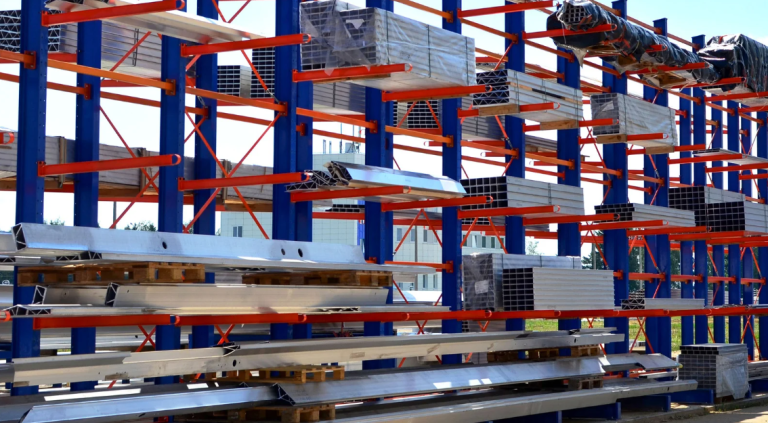
Challenges in Scrap Metal Recycling and How to Overcome Them

Scrap metal recycling is a critical part of material recovery for construction, manufacturing, and commercial operations. Businesses involved in scrap metal recycling in Canton often face operational and logistical challenges that affect efficiency and material value. These challenges range from contamination issues to regulatory complexity. Professional recycling services are designed to address these obstacles through structured processes and industry experience. Understanding common challenges and how they are managed helps ensure smoother recycling outcomes.

Material Contamination and Quality Control

One of the most common challenges in metal recycling is contamination. Mixed materials, coatings, and non-metal components can reduce processing efficiency and material value if not addressed early.

Professional recyclers rely on controlled intake procedures and inspection protocols to identify contaminants before materials enter the processing stream. Facilities handling mixed loads must separate metals accurately to maintain consistency. Proper classification at the start reduces downstream complications. Clear sorting processes also help preserve material integrity throughout handling.

Inconsistent Material Supply

Fluctuating volumes of scrap metal can disrupt processing schedules and resource allocation. Irregular supply makes it difficult to maintain consistent workflows. Professional recycling operations manage this challenge through flexible scheduling and scalable processing capacity.

Advance forecasting helps facilities prepare for seasonal or project-based volume changes. Buffer strategies allow operations to absorb short-term fluctuations without delays. This flexibility supports stable processing even during unpredictable intake periods.

Planning for Volume Variability

Experienced facilities adjust staffing and equipment use based on incoming material levels. This adaptability helps maintain steady operations even during supply changes. Dynamic scheduling allows teams to scale output without overextending resources. Equipment utilization is optimized to match real-time demand. These adjustments help preserve efficiency while maintaining consistent throughput.

Market Volatility and Material Valuation

Metal markets fluctuate based on demand, availability, and global conditions. These changes directly impact pricing and valuation.

Professional services monitor market conditions closely and apply standardized valuation methods to maintain consistency. Clear weighing and documentation help reduce confusion during pricing. Consistent processes support predictable outcomes regardless of market shifts.

Sorting Complexity and Processing Efficiency

Different metals require different handling and processing methods. Improper sorting can slow operations and increase processing costs. Many facilities apply structured methods, such as understanding what recycled metals are used for, which helps guide accurate separation and handling. Efficient recycling depends on matching equipment capabilities to material types. Coordinated workflows reduce bottlenecks and improve throughput.

Regulatory Compliance and Documentation

Recycling operations must comply with state and federal regulations related to material handling, recordkeeping, and transport. Navigating these requirements can be complex. Professional recyclers integrate compliance into daily operations to avoid disruptions.

Logistics and Transportation Challenges

Moving scrap metal efficiently requires coordination between collection, processing, and transport. Delays or misalignment can affect turnaround times. Professional services manage logistics through scheduling systems and dedicated transport planning.

Conclusion

Scrap metal recycling involves multiple operational challenges, from contamination control to regulatory alignment. Professional services address these issues through structured workflows, accurate sorting, and coordinated logistics. By relying on experienced recycling operations, businesses can maintain efficiency, reduce disruptions, and support consistent material recovery across changing conditions.

Why Modern Home Builders Embrace Long-Term Design Thinking

In today’s rapidly evolving housing market, forward-thinking approaches are shaping how homes are planned and built. Homeowners and developers alike are shifting their focus toward strategies that prioritize adaptability, efficiency, and longevity. For modern home builders in Chicago, long-term design thinking isn’t a trend; it’s a core philosophy. This method ensures homes remain functional and visually relevant for decades, while also improving livability and sustainability.   

By embracing this approach early in the planning phase, professionals are able to integrate features that anticipate future needs, from evolving family structures to technological advancements, creating spaces that grow with their residents.

Defining Long-Term Design Thinking in Home Construction

Long-term design thinking goes beyond immediate aesthetic preferences or short-term functionality. It involves crafting homes that are resilient, flexible, and ready to meet the demands of tomorrow without frequent remodeling or upgrades.

This mindset influences everything from structural layout to material choices. Builders who adopt this philosophy are focused on crafting spaces that offer lasting value, energy efficiency, and long-term comfort, regardless of how trends may shift.

Creating Future-Ready Living Spaces

One of the core goals of long-term thinking is to anticipate how a home might be used 10, 20, or even 50 years down the line. This could mean including flexible spaces that can adapt from an office to a nursery, designing floor plans that accommodate multi-generational living, or pre-wiring for future smart technologies. The idea is to minimize costly changes later by making thoughtful decisions now.

Key Benefits of Embracing a Long-Term Vision

Homes designed with longevity in mind are built to stand the test of time. They not only remain structurally sound but also relevant in function and style, offering a better return on investment.

Several benefits of building a luxury home from the ground up stem from this approach, such as the ability to personalize every detail while ensuring the design is durable and adaptable. These homes are tailored for evolving lifestyles, rather than requiring retrofits or redesigns just a few years after completion.  

Sustainable and Efficient Living

Sustainability is a major pillar of modern design thinking. Builders focus on using high-quality, energy-efficient materials and systems that lower environmental impact and reduce utility costs over time. This not only supports eco-conscious living but also appeals to future buyers in an increasingly green-aware market.

The Role of Professional Builders in Long-Term Design

Professional home builders play a critical role in translating long-term thinking into practical construction. They bring experience, foresight, and technical knowledge that ensure each design decision supports both present-day needs and future possibilities.

Their ability to integrate enduring materials, energy systems, and future-ready infrastructure ensures that the home performs reliably over time, whether it’s accommodating changing technologies or meeting the evolving needs of its occupants.

Balancing Aesthetics with Functionality

Modern long-term design doesn’t sacrifice beauty. Instead, it balances timeless architectural elements with modern functionality, resulting in homes that are both elegant and enduring. From open-concept layouts to accessible design elements, professionals ensure that each feature contributes to lasting value and daily comfort.

Conclusion

Long-term design thinking reflects a deeper understanding of how people live, grow, and adapt over time. It enables home builders to construct residences that are not only beautiful and functional today but also prepared for the challenges and lifestyles of the future. Through careful planning and professional execution, this forward-focused approach continues to shape the next generation of living spaces. 

How Portable Welding Air Purifiers and Fixed Fume Extractor Units Serve Different Needs

Effective fume control is a critical safety component in any metalworking facility. While the goal of removing hazardous particulates remains constant, the equipment used to achieve it varies significantly based on shop layout and workflow demands. Choosing the right system ensures compliance with safety standards and protects worker health.

The choice between mobile units and stationary systems often determines a workspace’s operational flexibility. Every welding air purifier is designed to capture smoke and particulates, but how they integrate into the daily rhythm of a shop floor differs greatly. Understanding these distinctions helps facility managers invest in the correct infrastructure for their specific metal fabrication processes. 

The Role of Fixed Fume Extraction Systems

Fixed systems are permanent installations designed for high-volume, stationary workstations. These units are typically integrated into the building’s infrastructure and offer powerful, consistent suction for dedicated welding bays.

High-Volume Performance for Dedicated Bays

When welders work in the same location day after day, fixed units provide the most reliable capture method. These systems often utilize wall-mounted arms or overhead hoods connected to a central filtration unit or exhaust system. Because the motor and filtration components are often larger, they can handle heavier fume loads generated by intensive manufacturing processes. This setup ensures that contaminants are removed efficiently before they can disperse into the wider facility environment.

Integration with Facility Infrastructure

Installing fixed units requires planning around the shop’s physical layout. Ductwork must be routed effectively, and the capture arms need to be positioned precisely where the work occurs. Once installed, these systems become a seamless part of the building, requiring less daily setup than mobile counterparts. It is crucial to understand the best ways to ventilate a welding shop to determine if a permanent, centralized system is the most efficient choice for long-term operations. 

The Flexibility of Portable Welding Air Purifiers

Portable units offer versatility for shops where welding locations change frequently or where large workpieces make stationary arms impractical. These compact machines bring filtration directly to the source, wherever the welder is working. 

Adapting to Changing Workflows

In dynamic environments, such as repair shops or custom fabrication floors, work does not always happen in a booth. A portable extractor allows the operator to roll the filtration unit right up to a large chassis or assembly. This mobility eliminates the need for long, cumbersome hoses connected to a distant wall unit. The ability to move the extraction point ensures that safety protocols are maintained even when the work zone shifts across the facility floor.

Immediate Deployment and Ease of Use

Portable units require minimal installation time. They are typically plug-and-play solutions that can be deployed immediately where they are needed most. This is particularly useful for temporary projects or when supplementing existing ventilation during peak production periods. Professional-grade portable units are equipped with high-efficiency filters that handle Hexavalent Chromium and other dangerous byproducts, proving that mobility does not require sacrificing safety performance.

Conclusion

Selecting the right fume extraction strategy depends on balancing power and flexibility. Fixed systems offer robust, permanent solutions for consistent production lines, while portable units provide the adaptability required for varied tasks and changing layouts. Assessing the specific needs of your facility ensures that air quality remains a priority, protecting skilled workers and maintaining a safe, professional industrial environment.